Such a list is like any other list; no matter how many things you list, others will clamor to lengthen the list.
I’m not interested in list exhaustion though, so I limit this to two types of visualization in AEC, both workhorses, the latter a war horse.
- Rendering, i.e., illustration.
- Technical drawing, i.e., construction drawing.
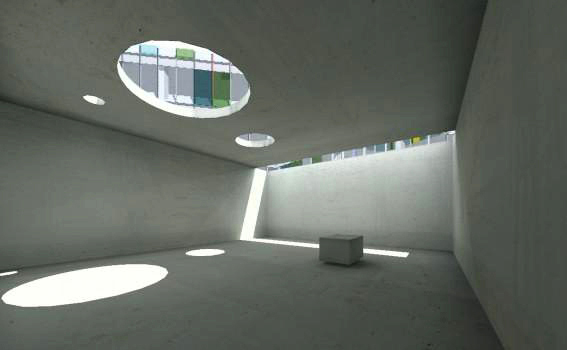
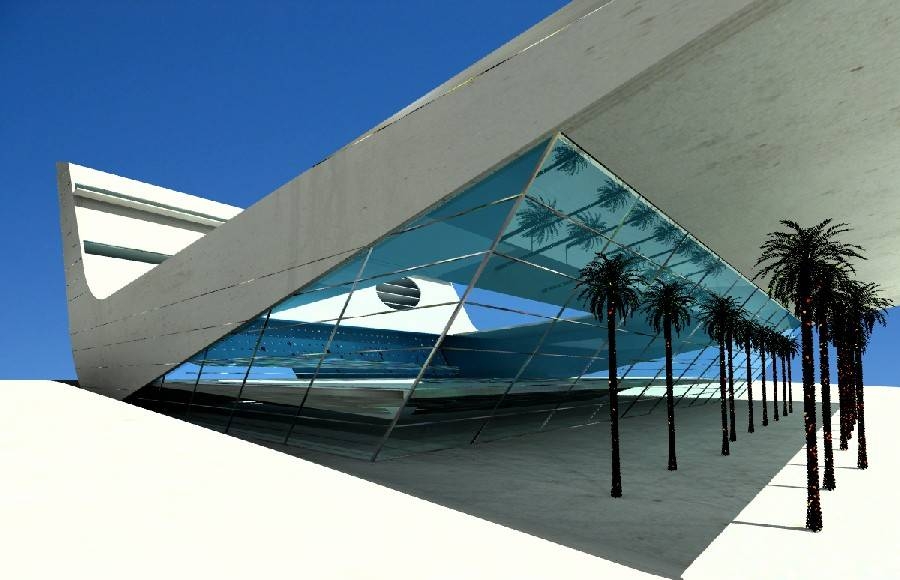
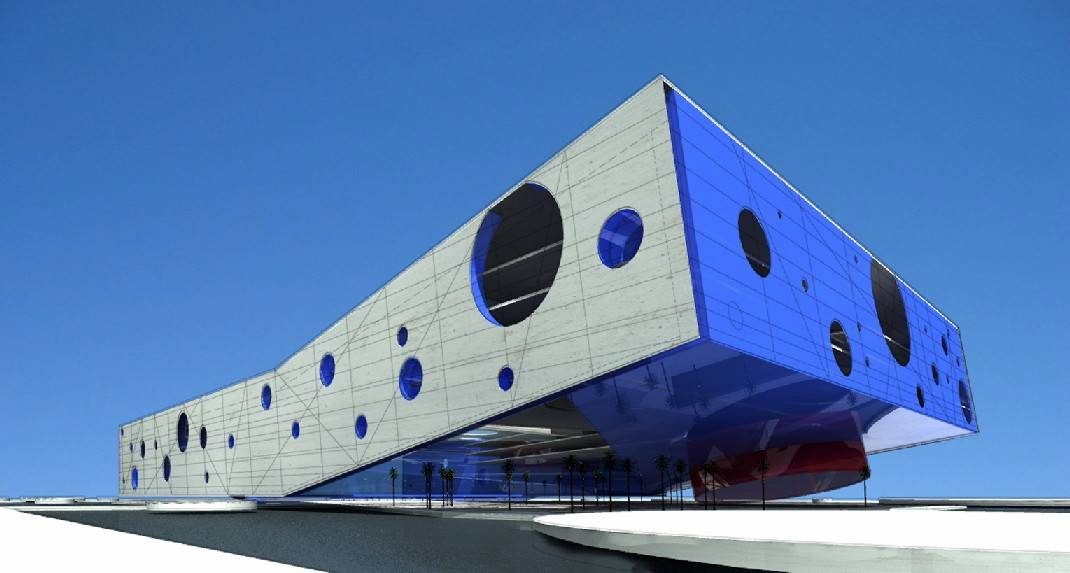
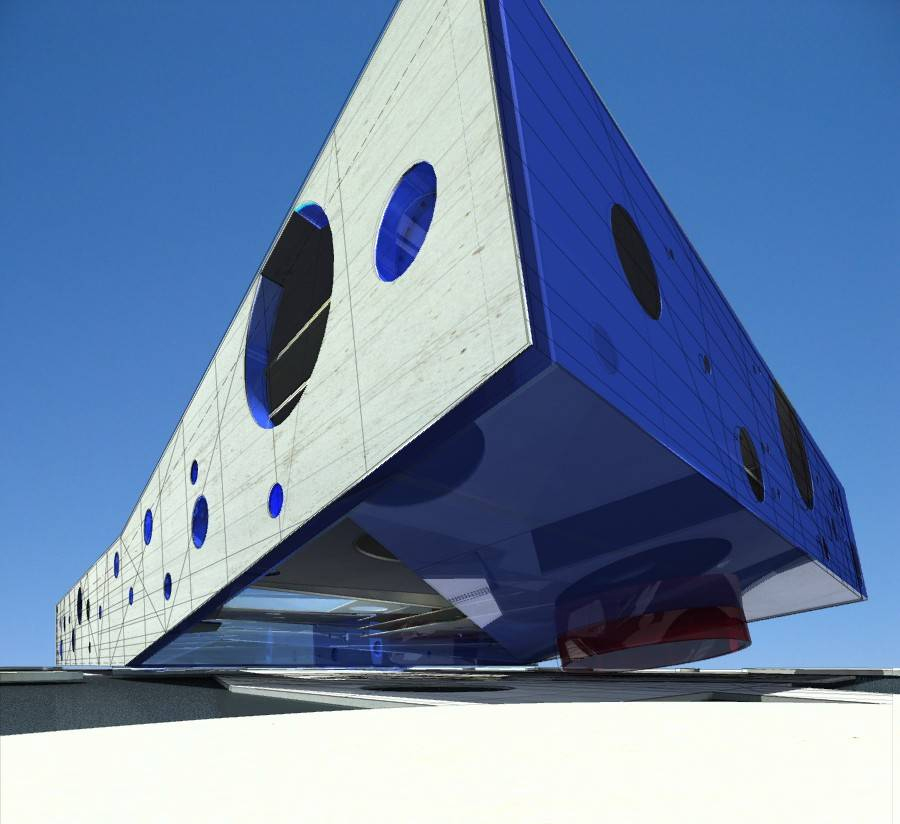
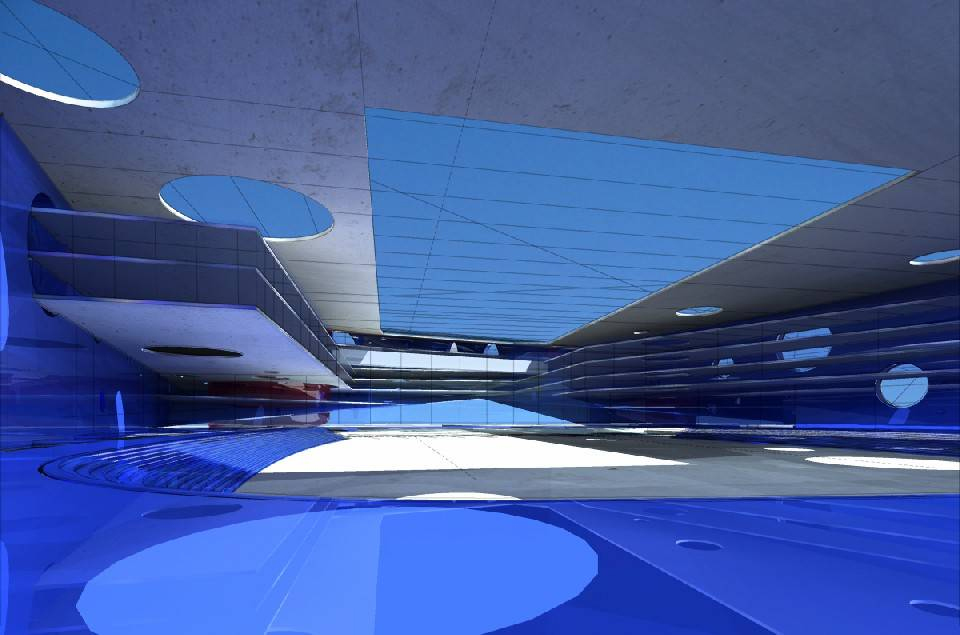
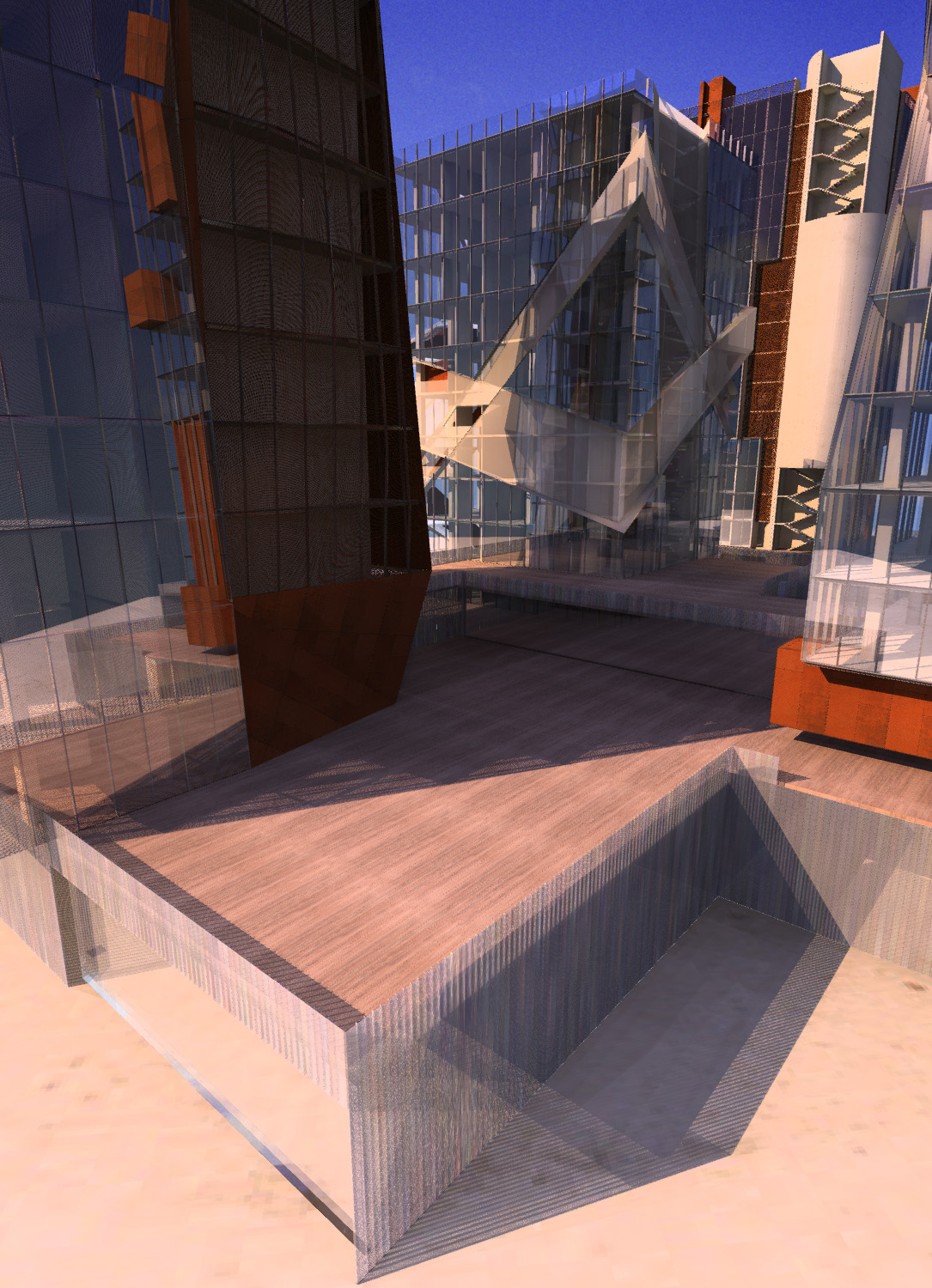
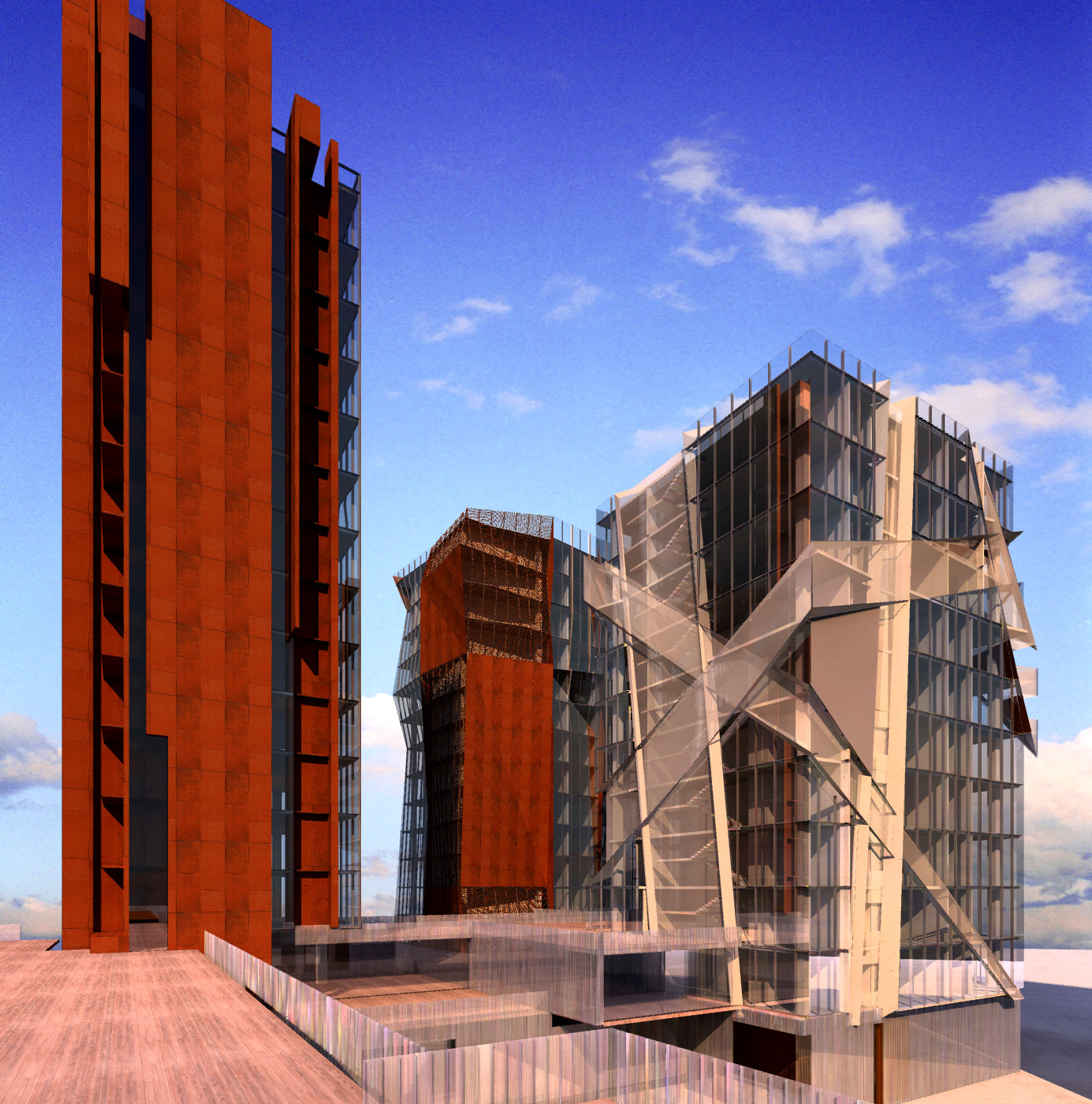
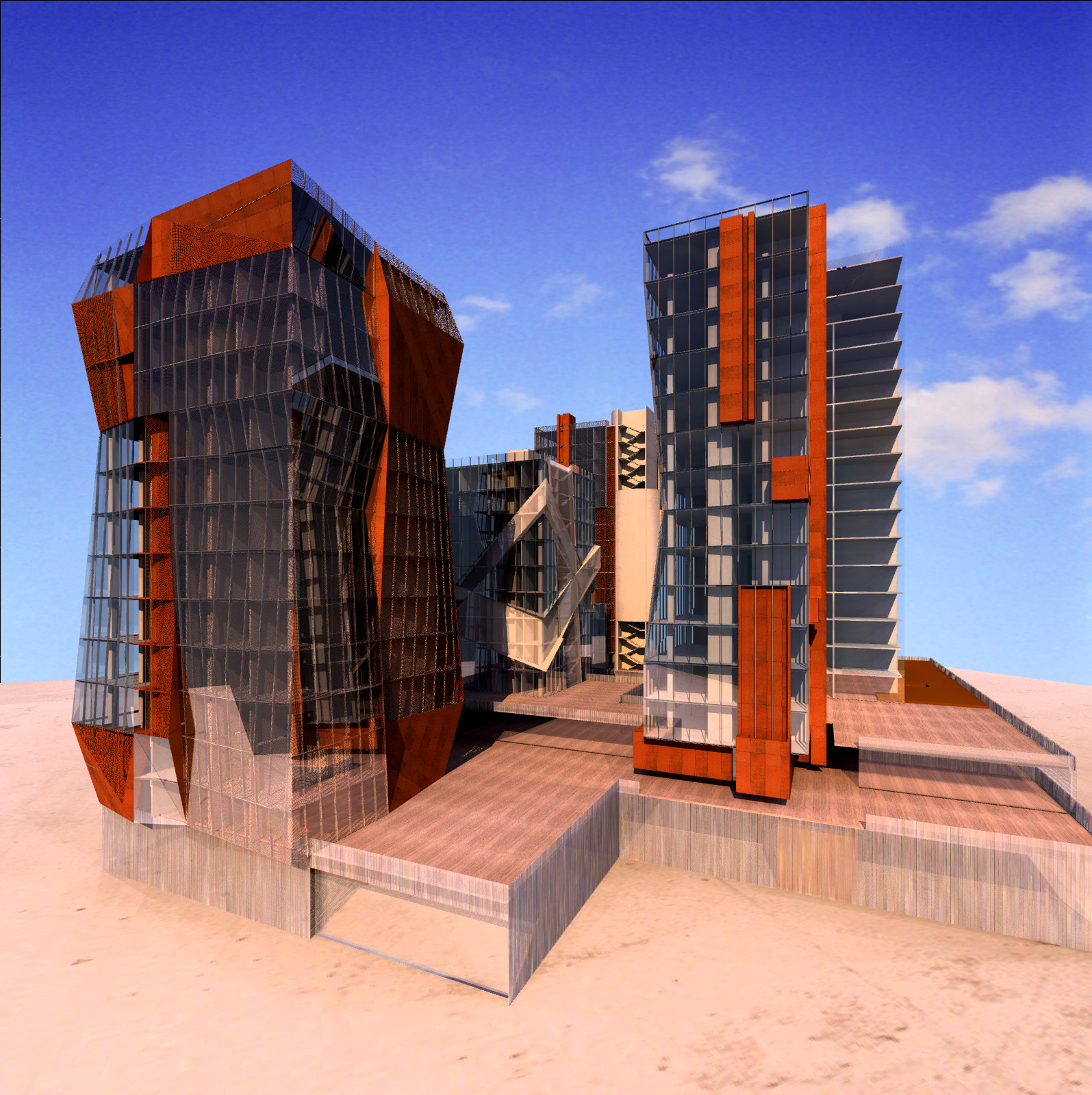
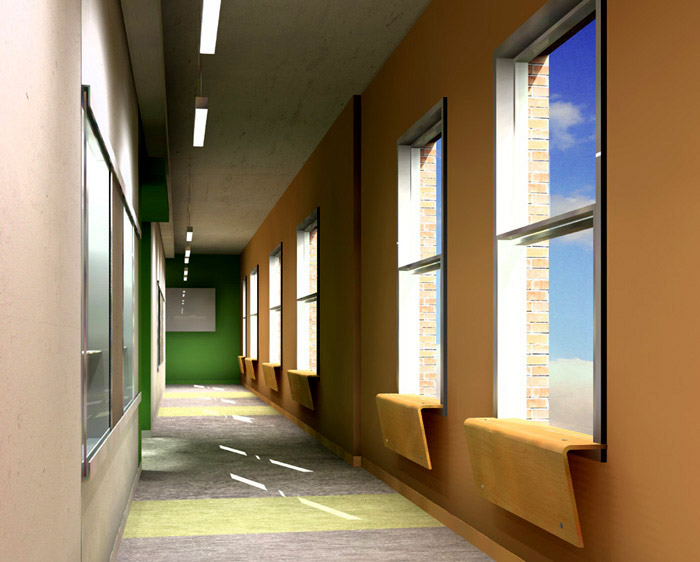
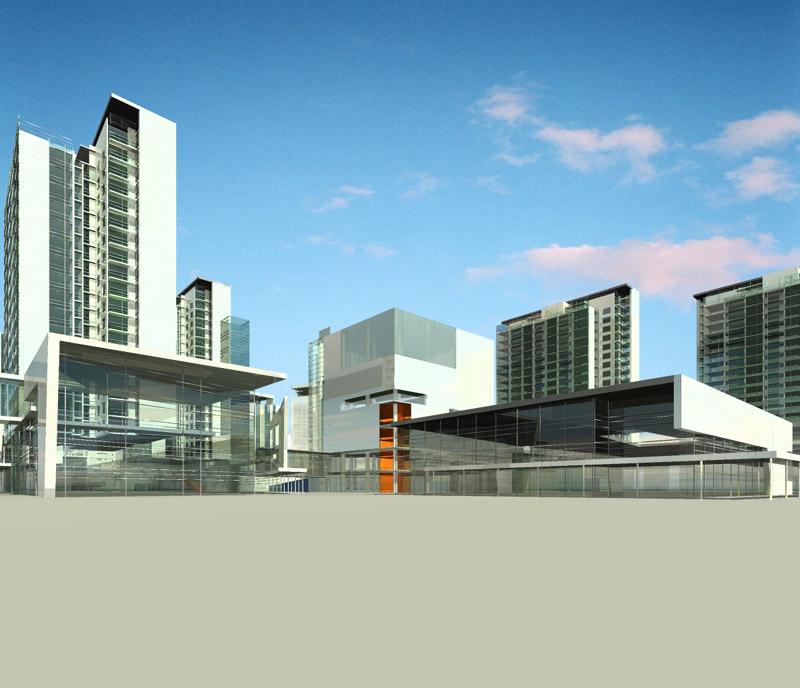
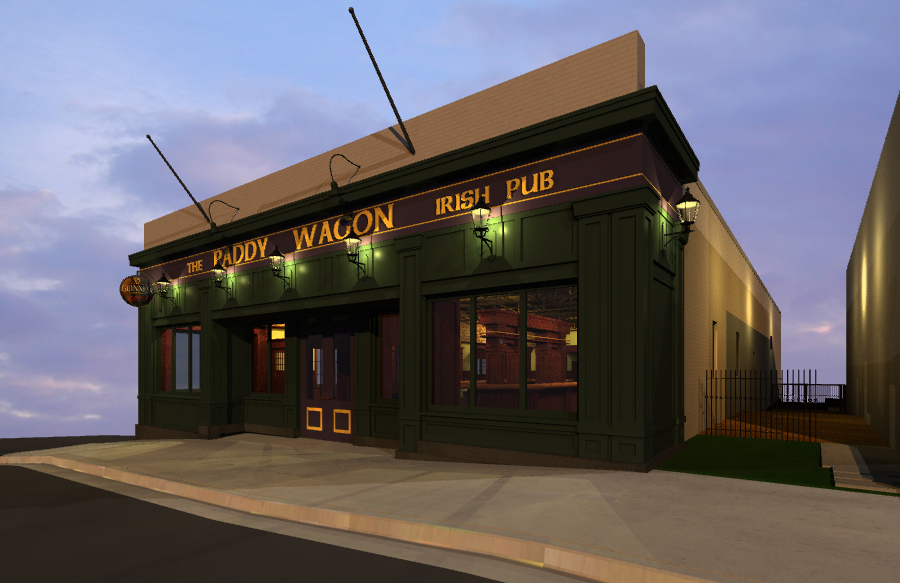
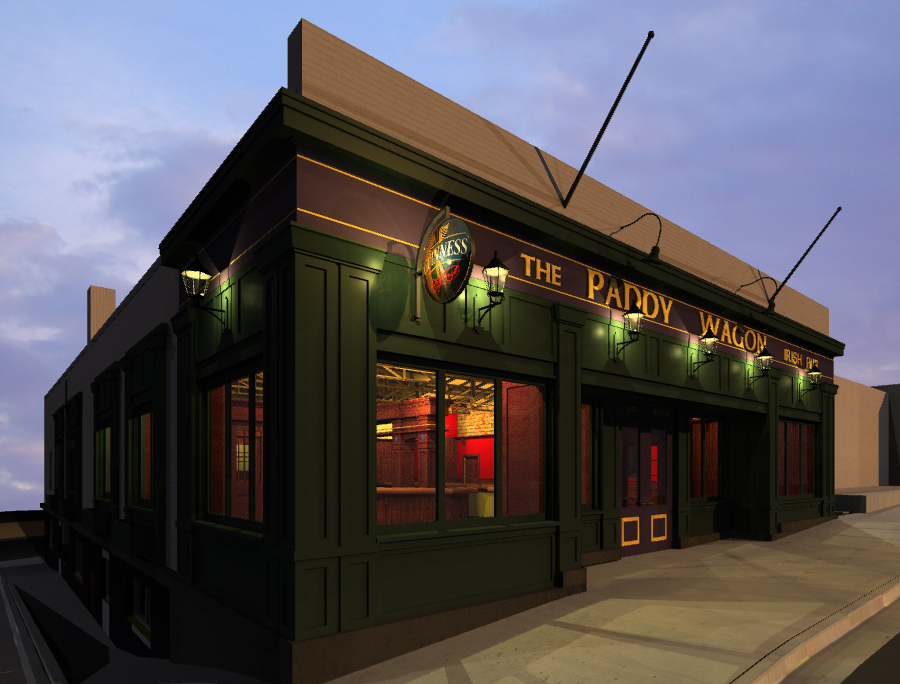
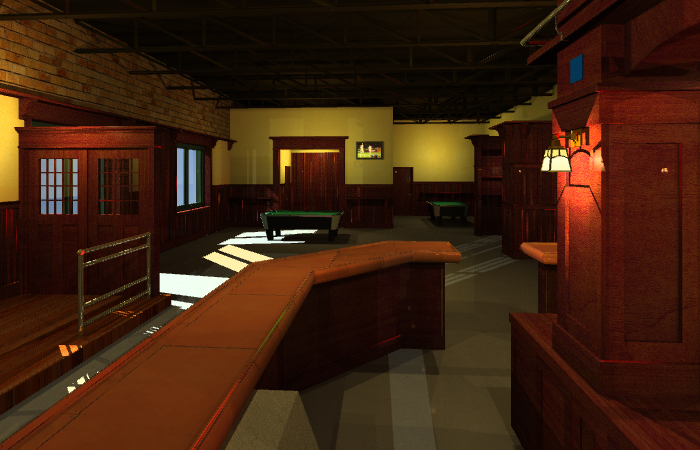
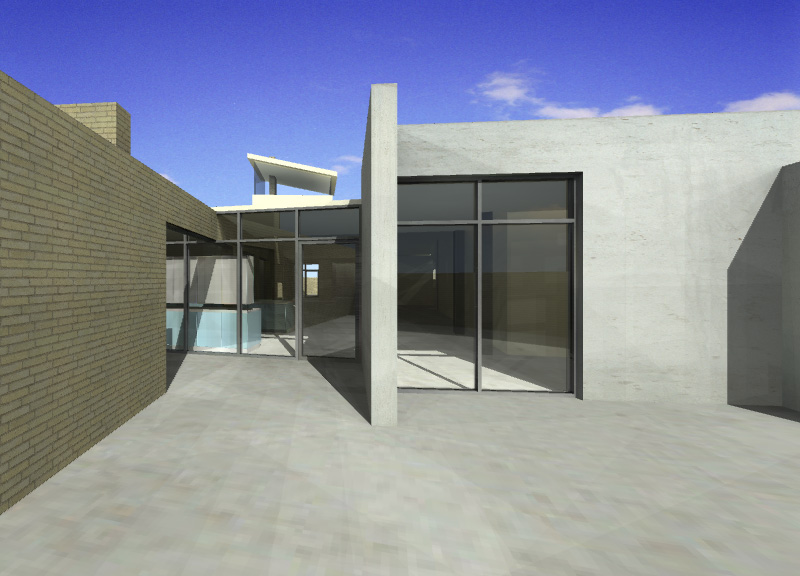
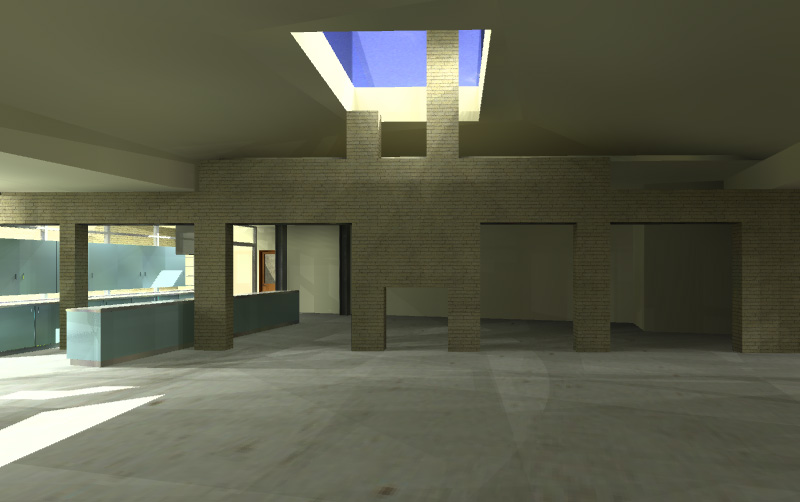
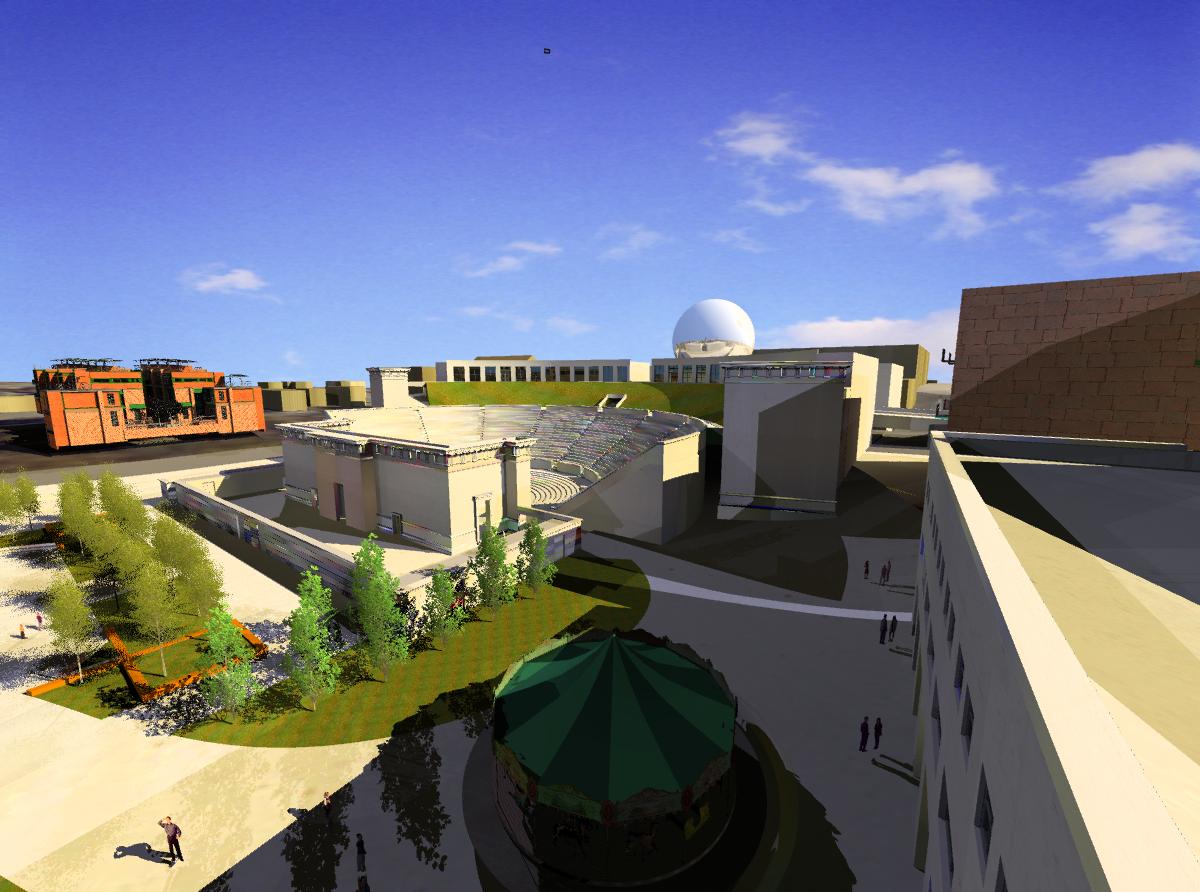
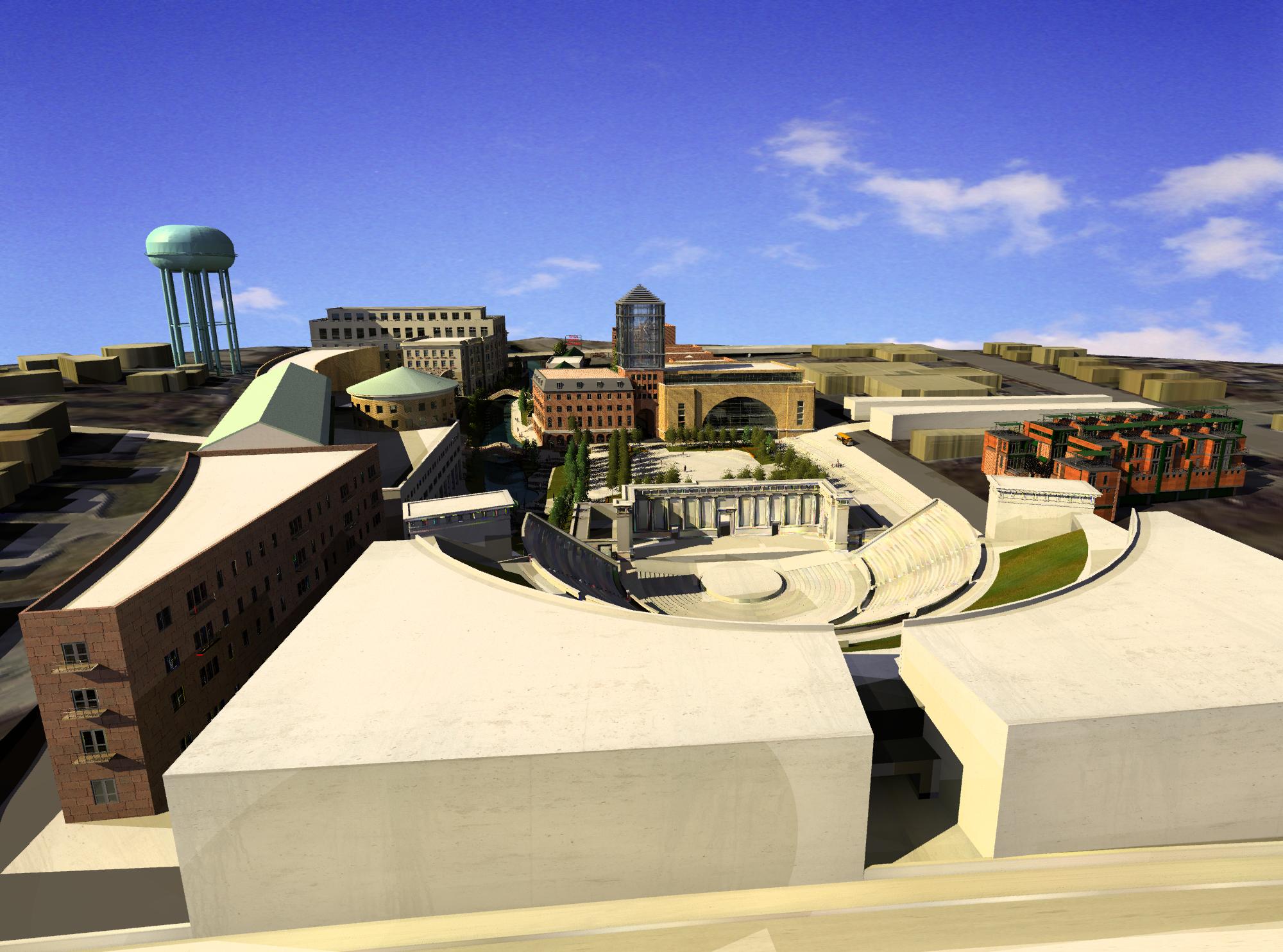
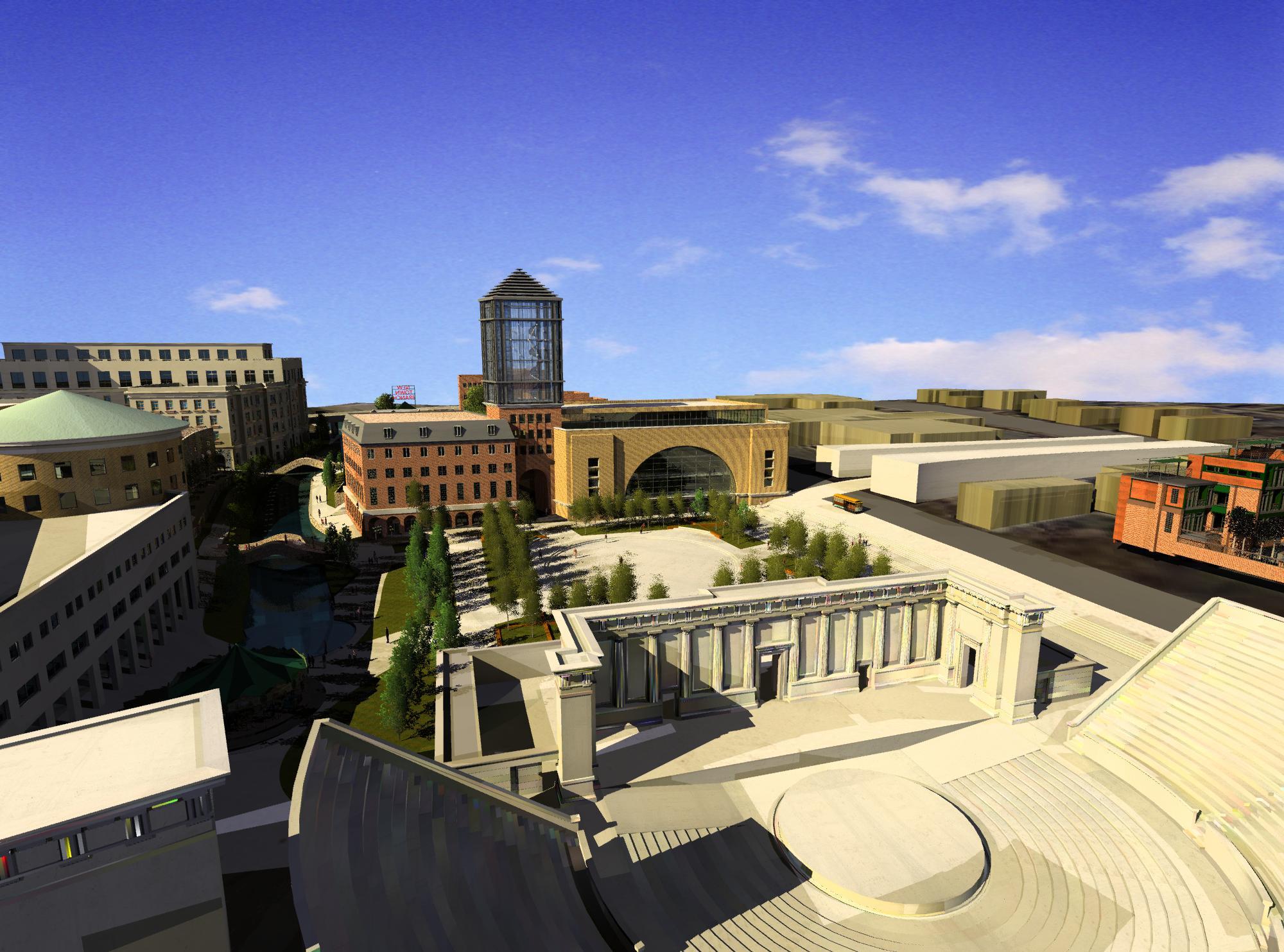
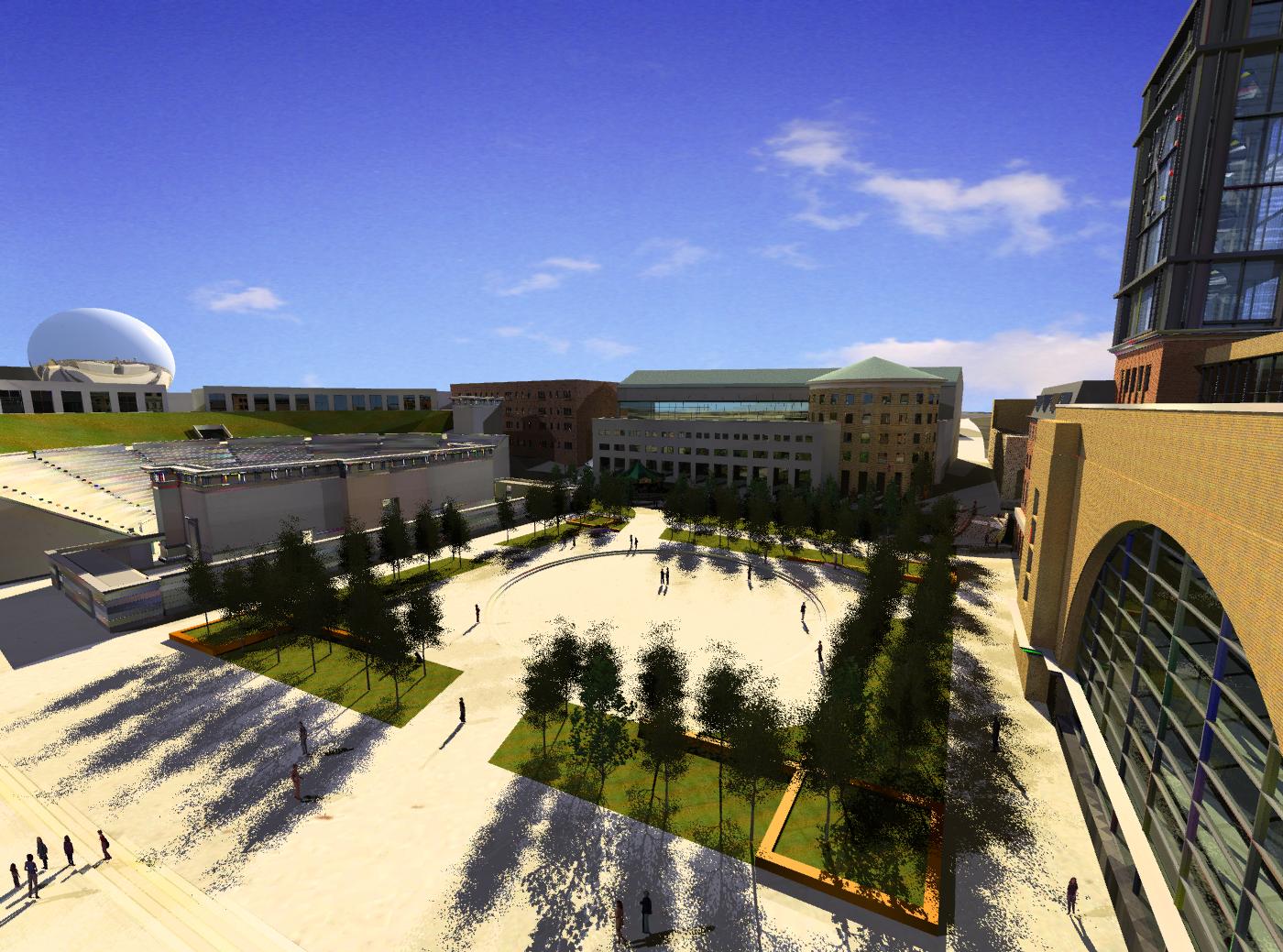
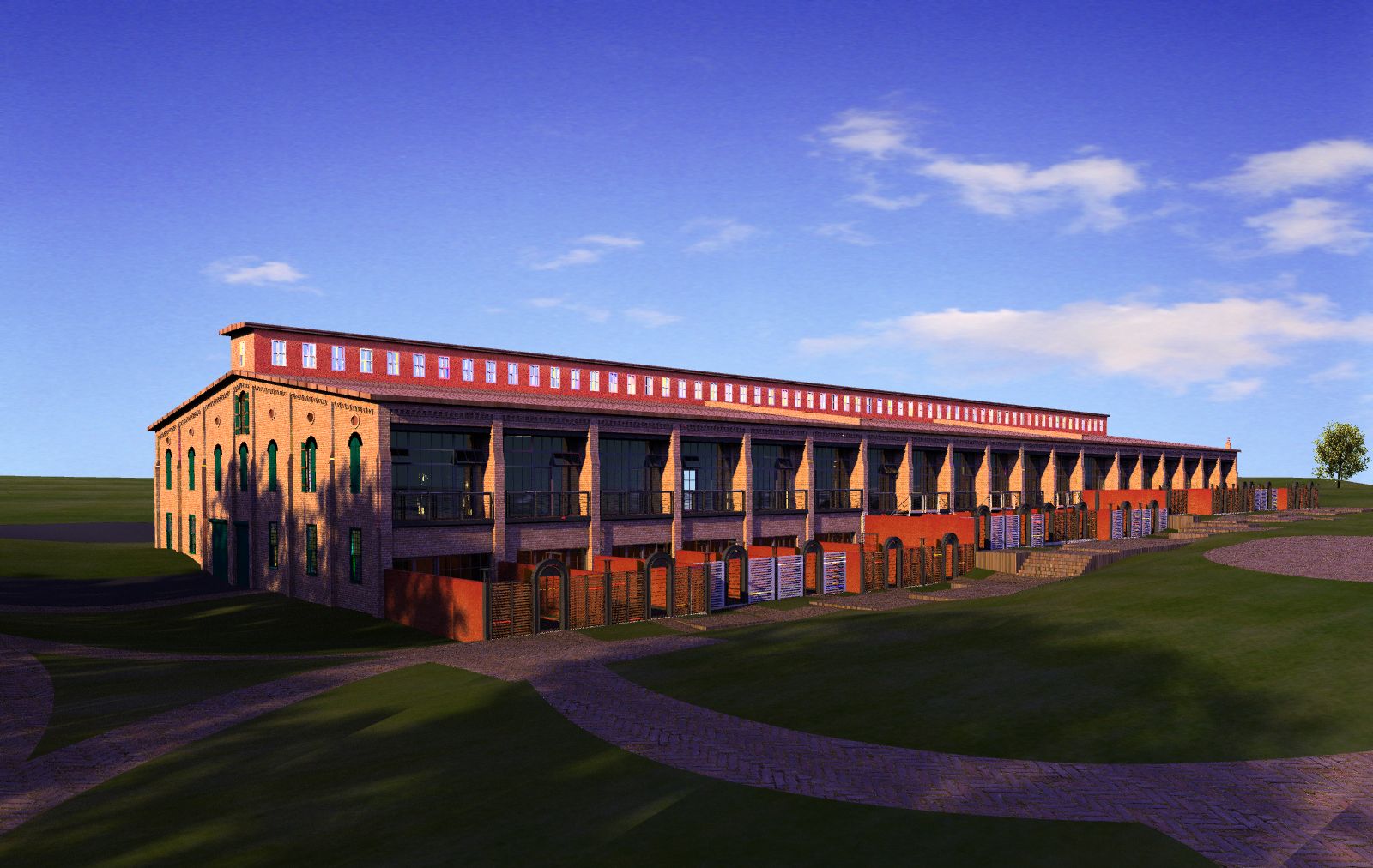
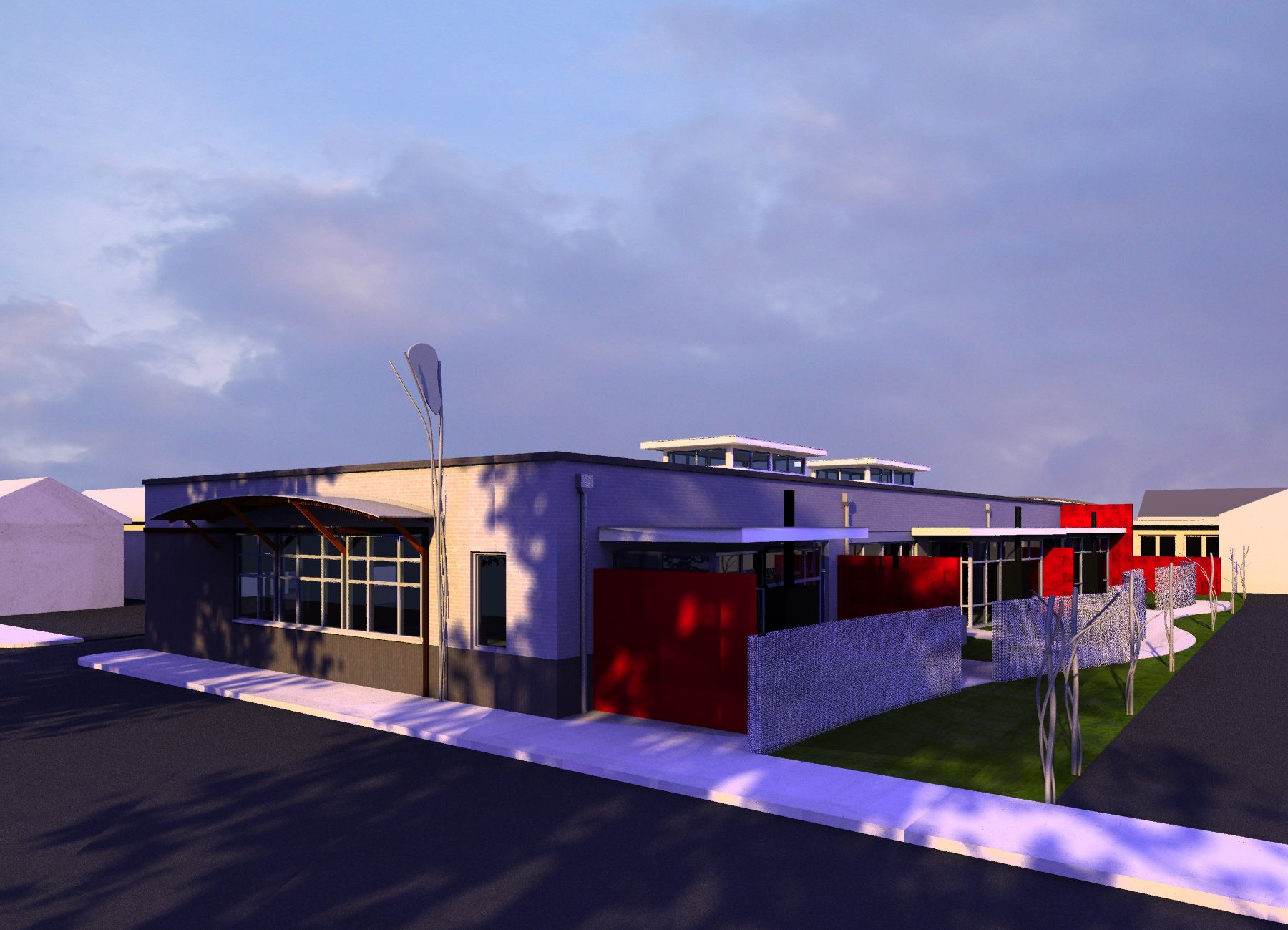
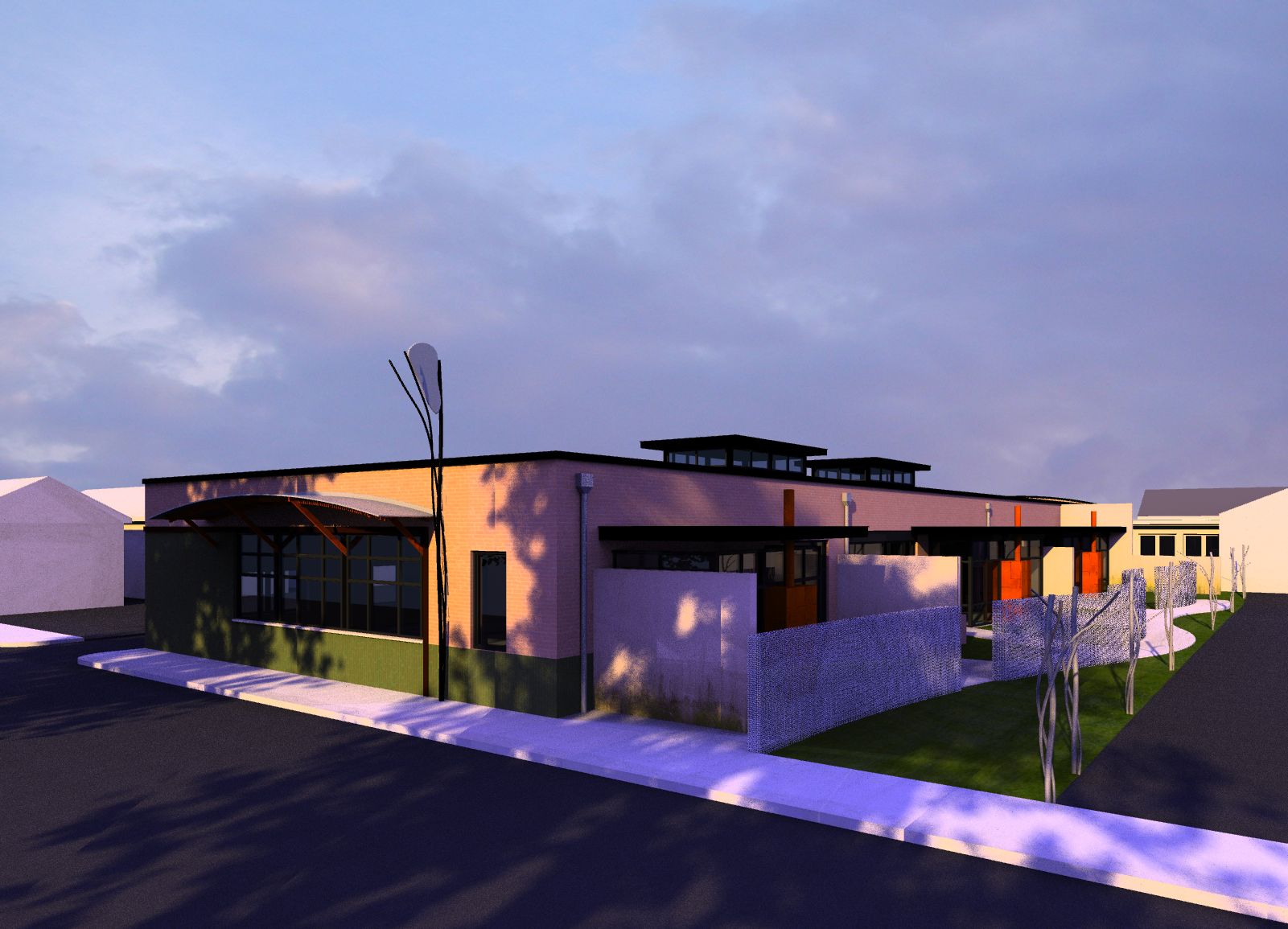
Rendering is about showing what it’s like to be in, or around, a place.
Renderings are evocative.
Technical drawing is about showing what a thing is.
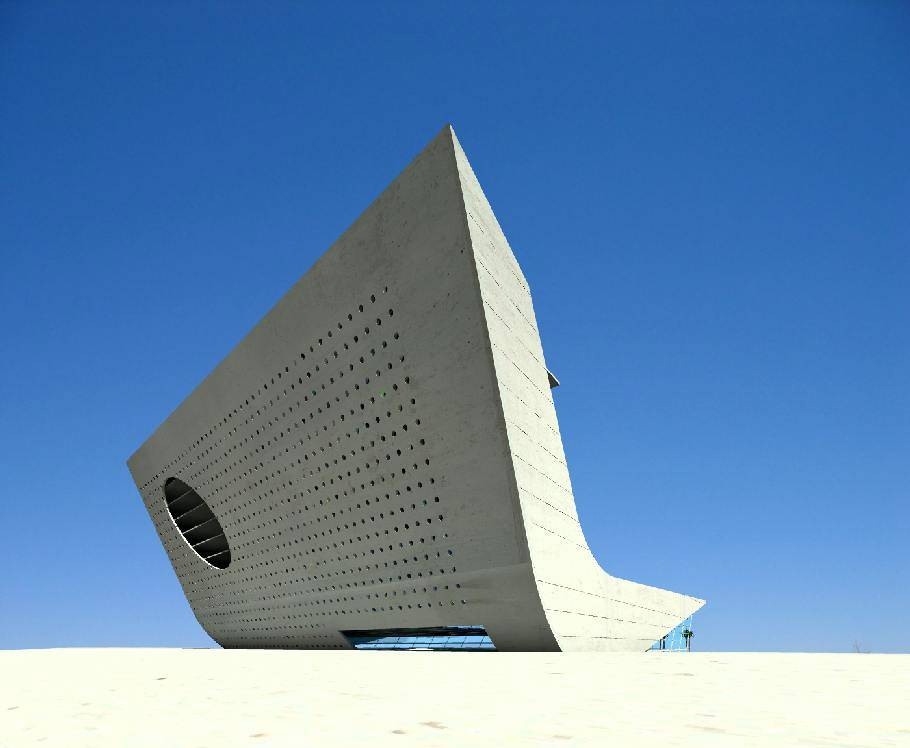
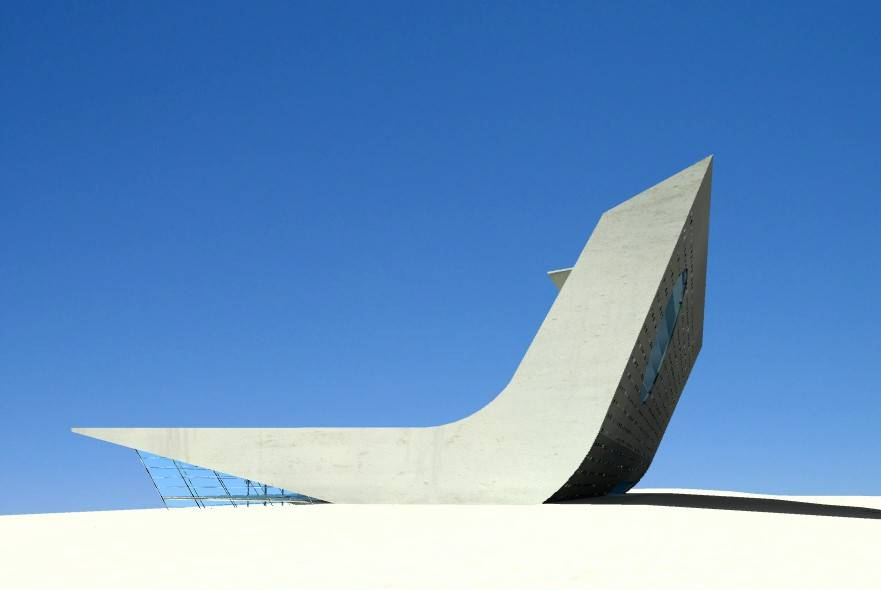
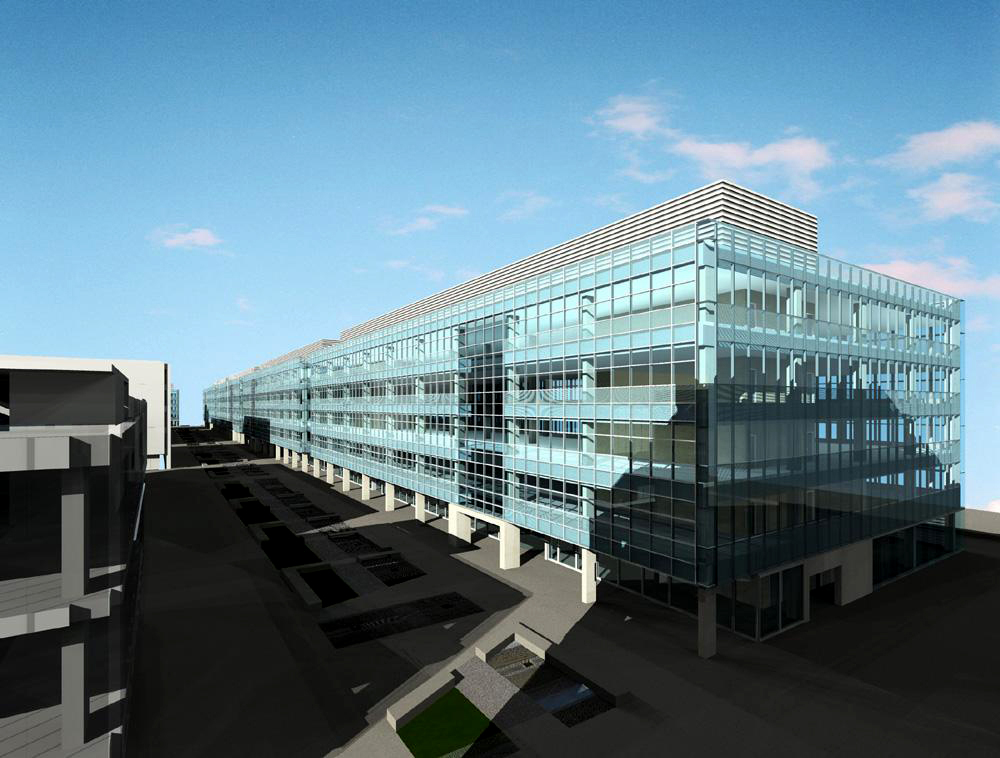
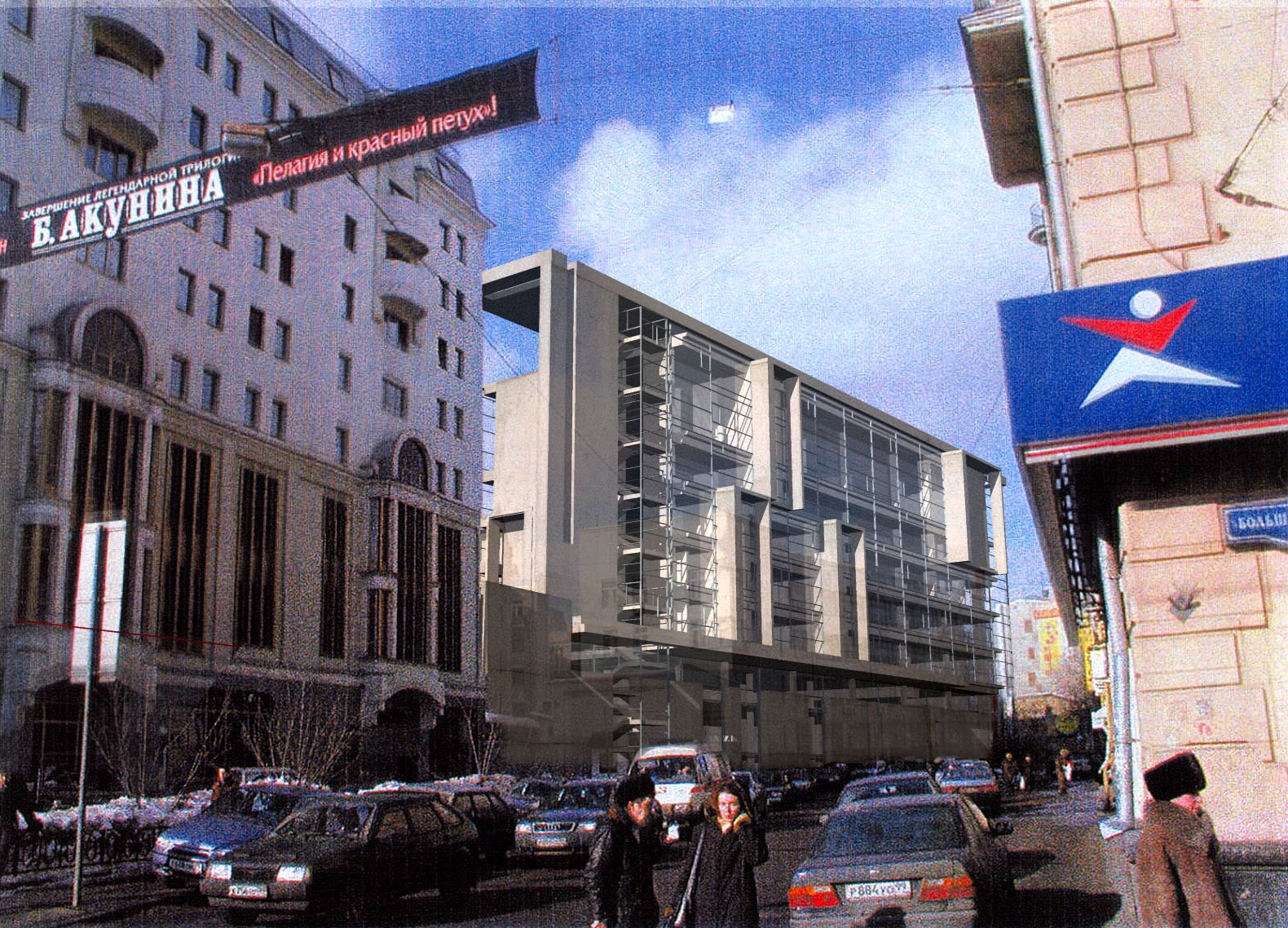
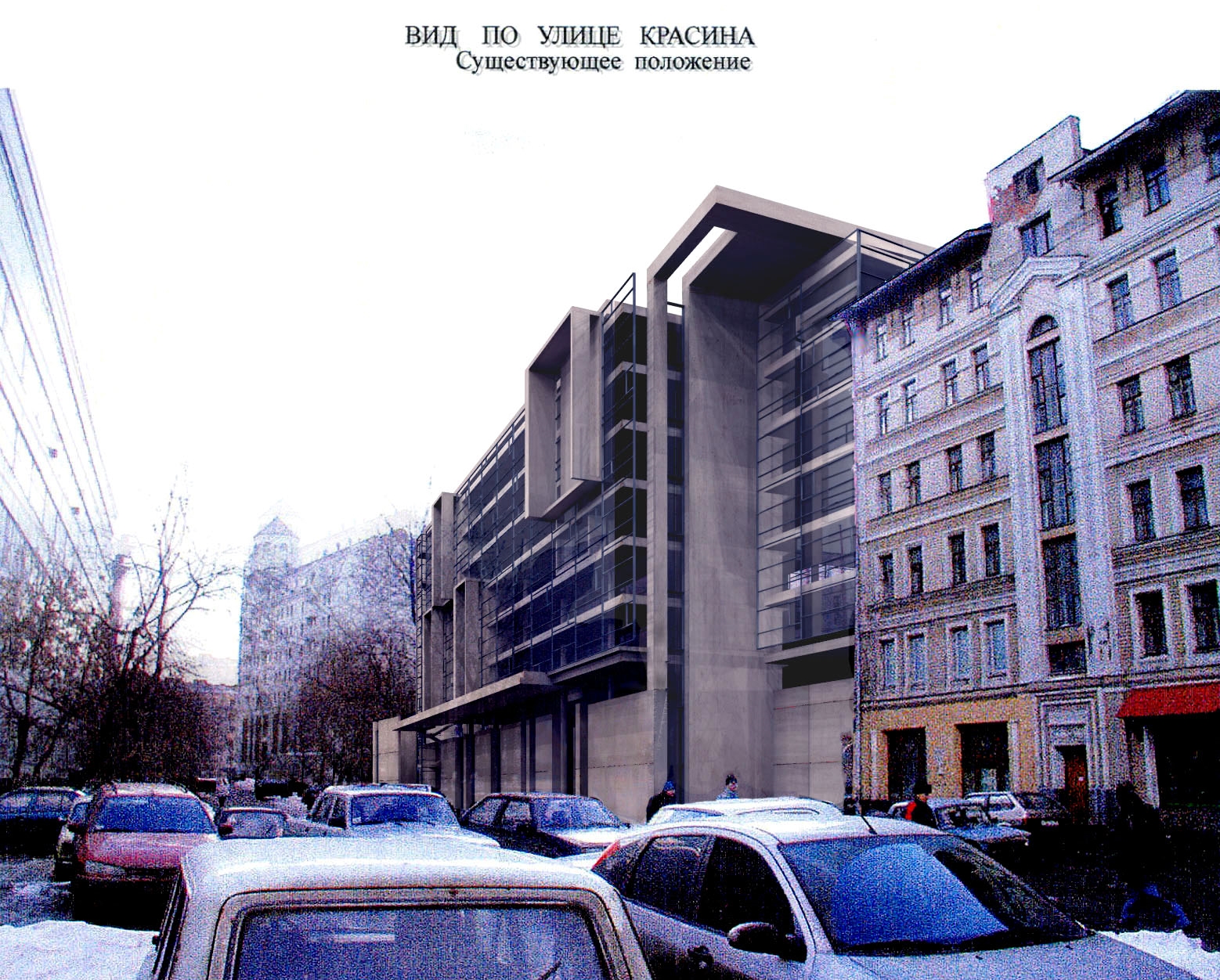
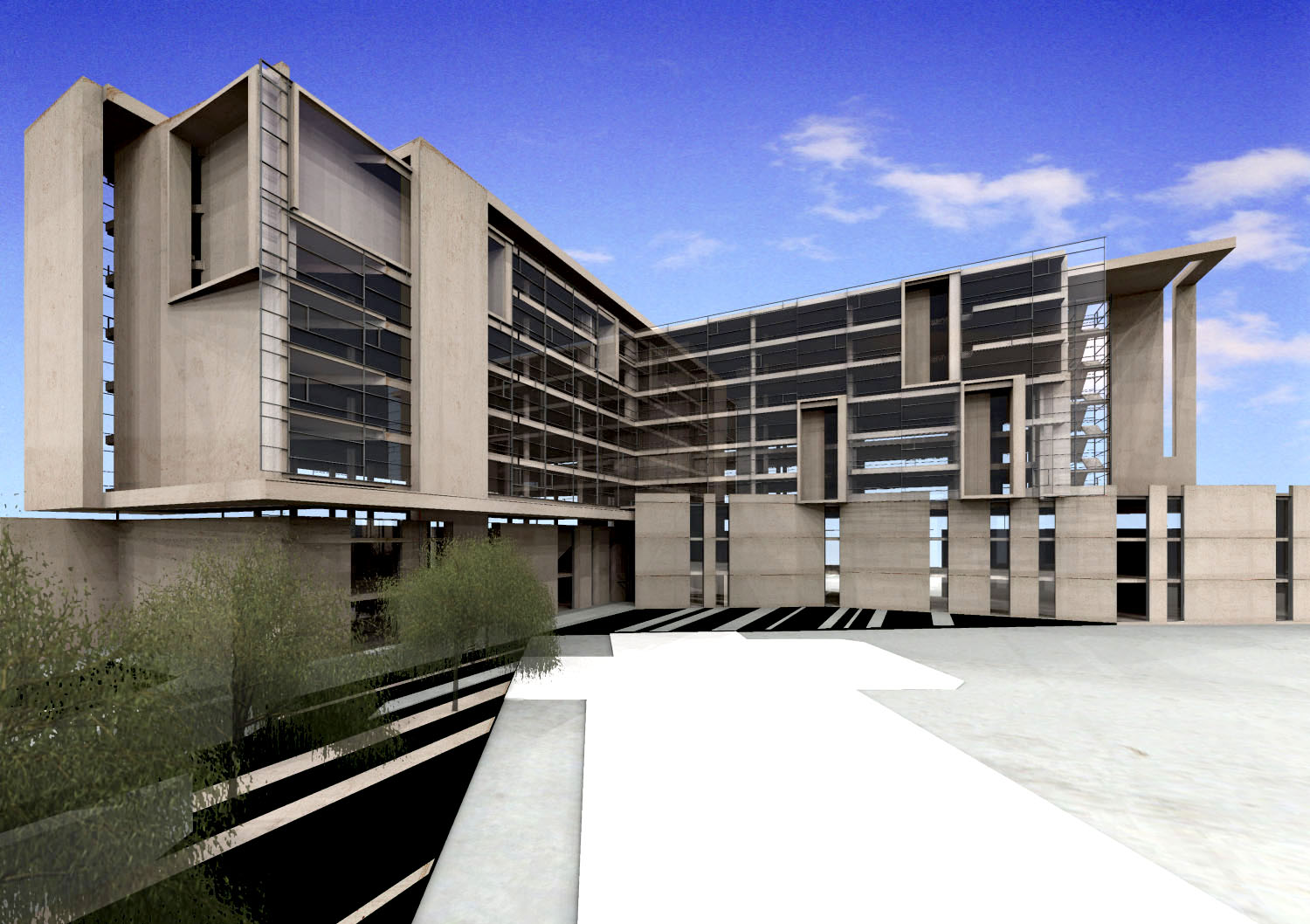
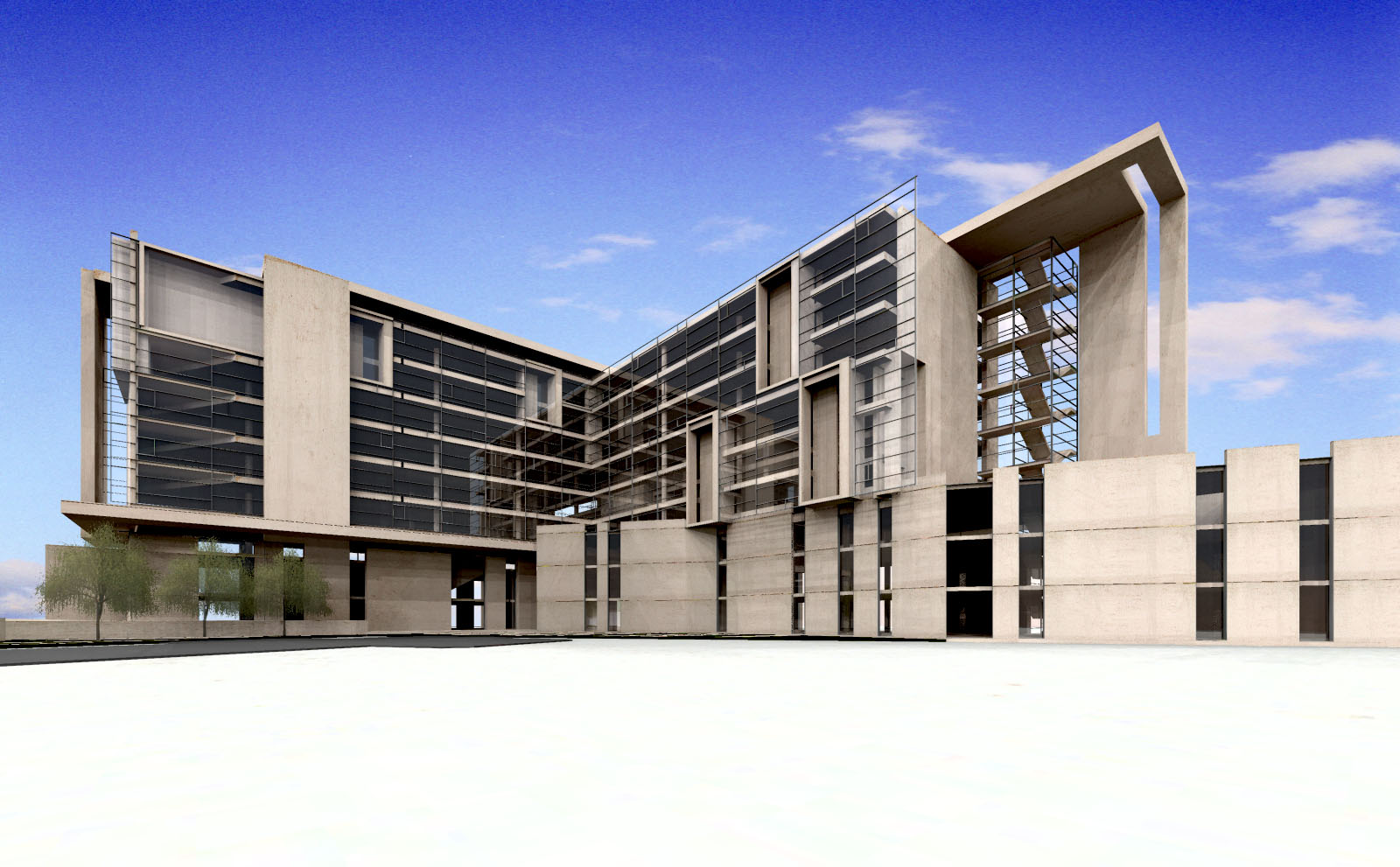
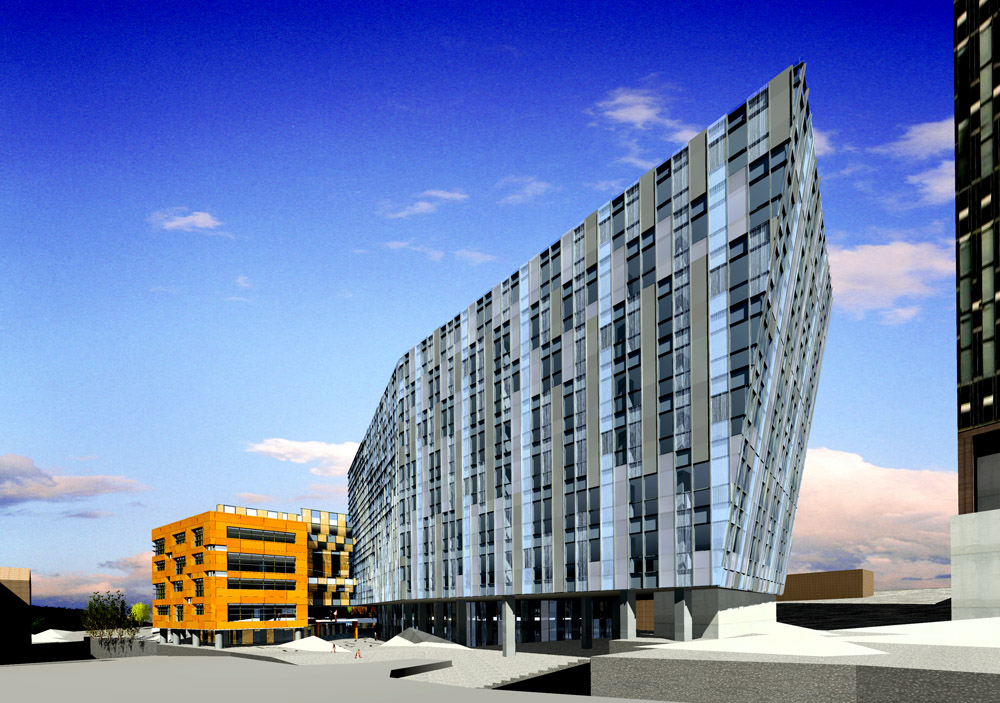
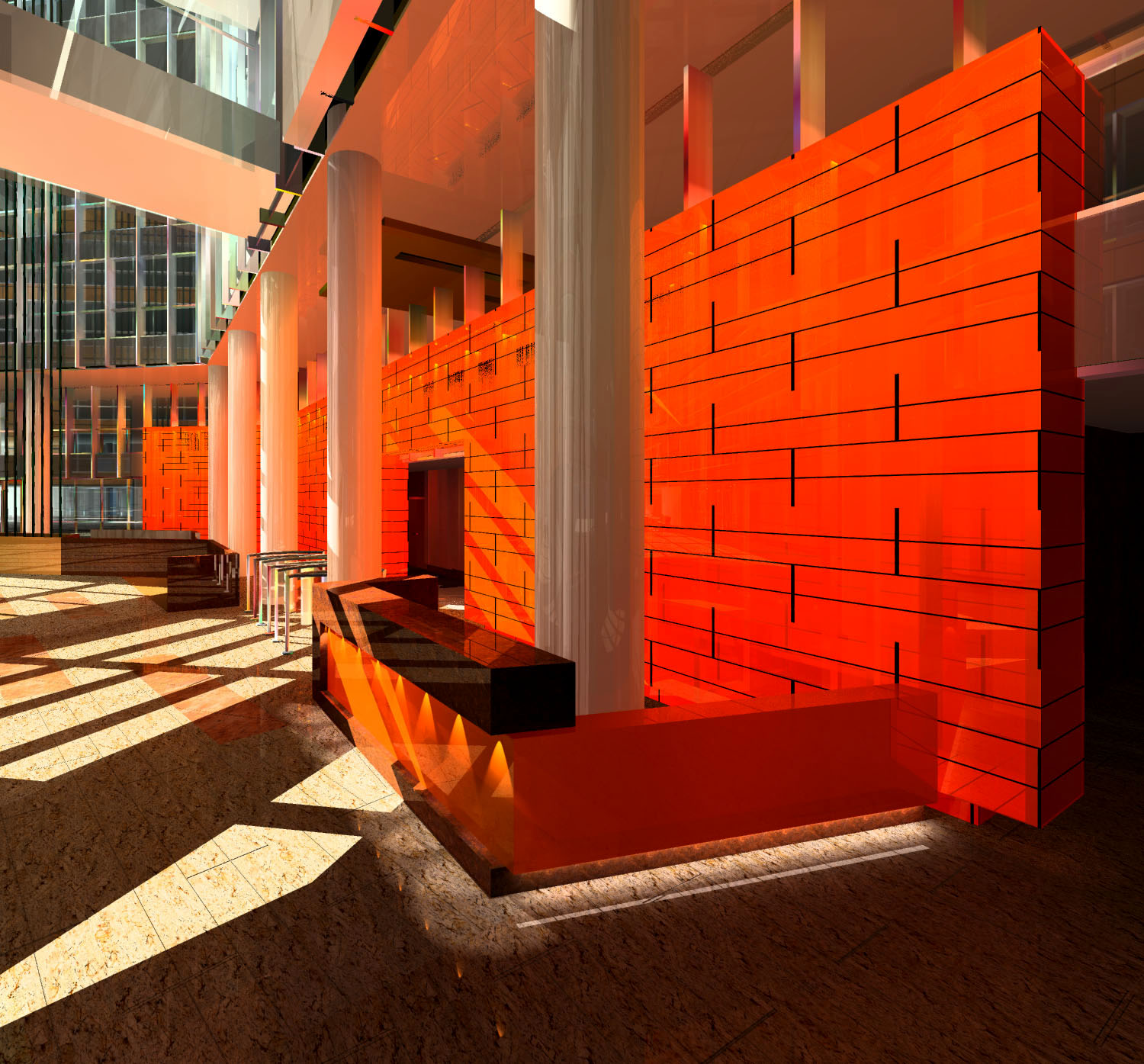
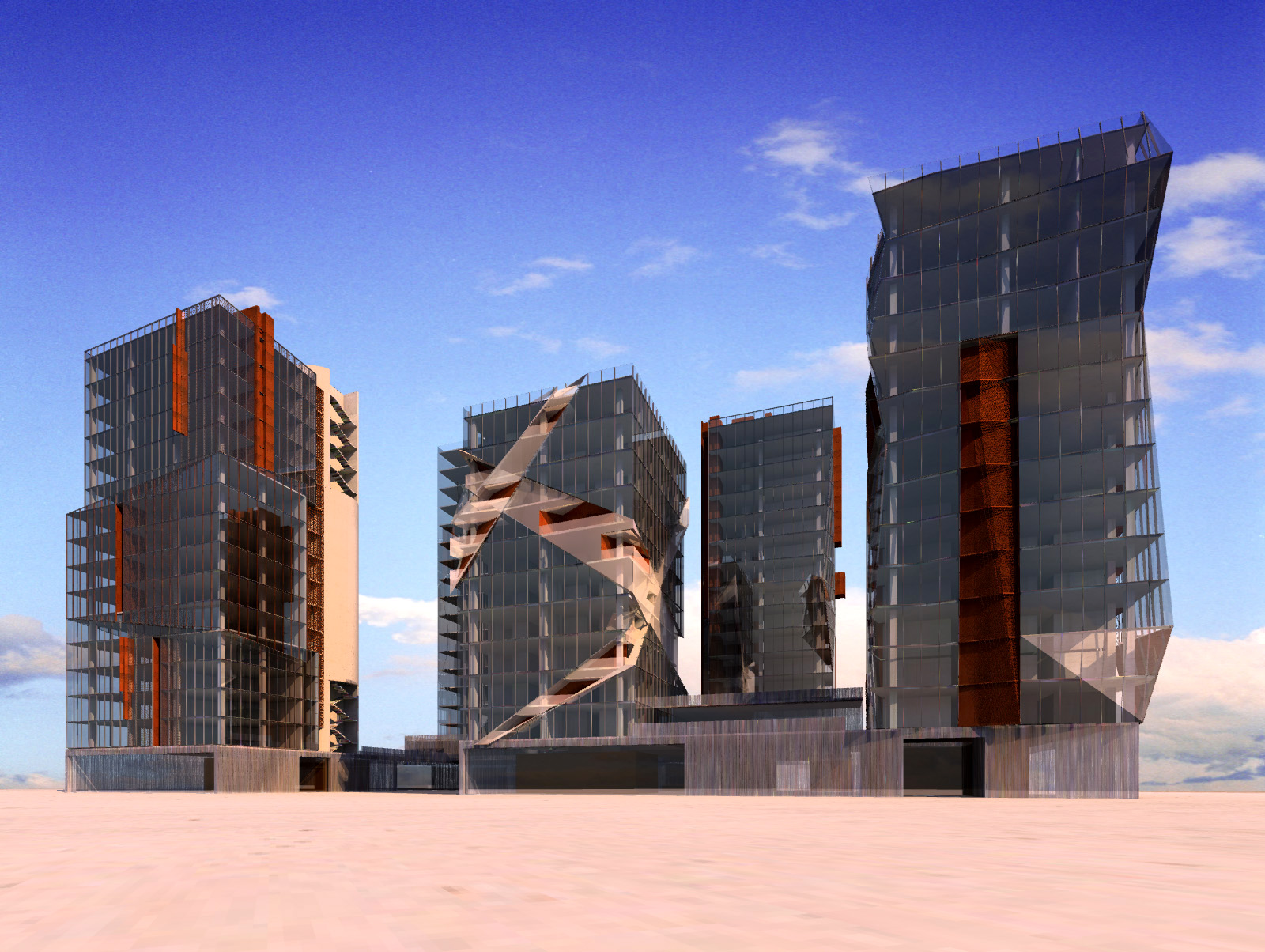
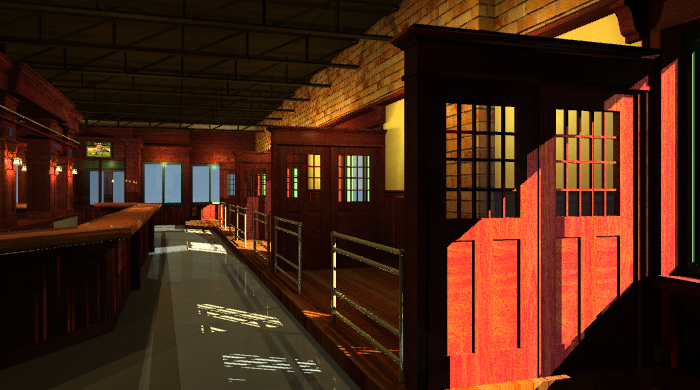
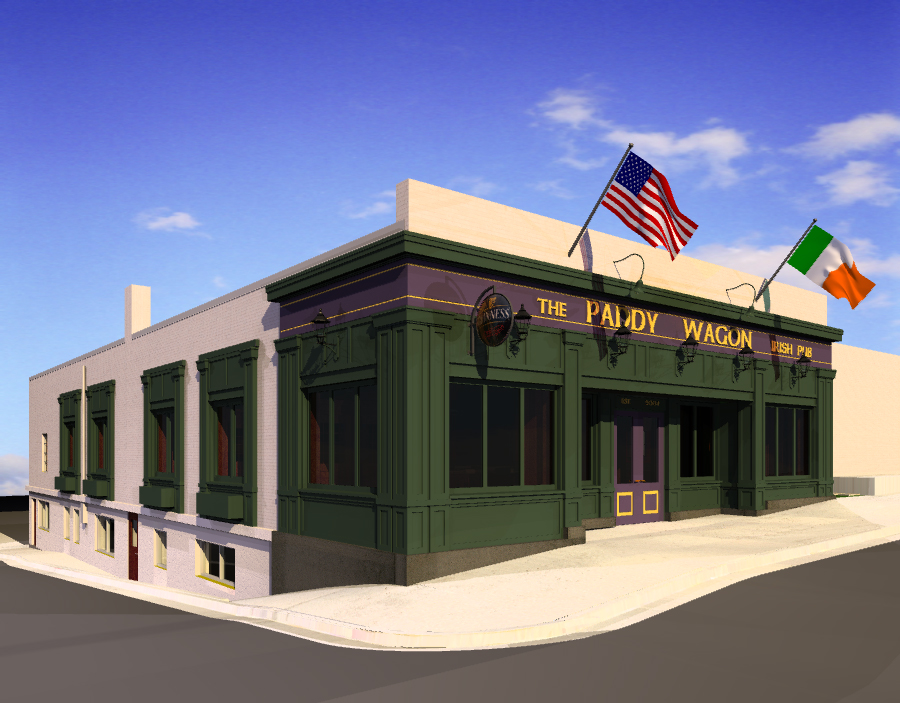
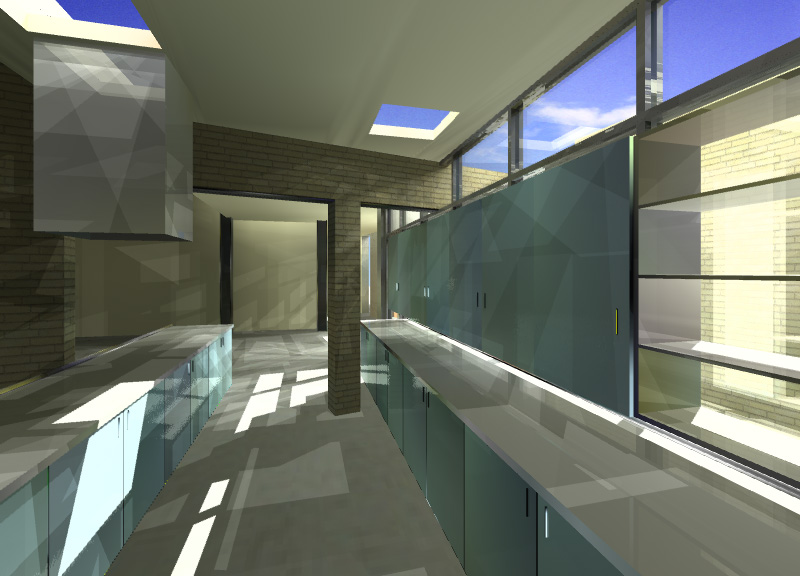
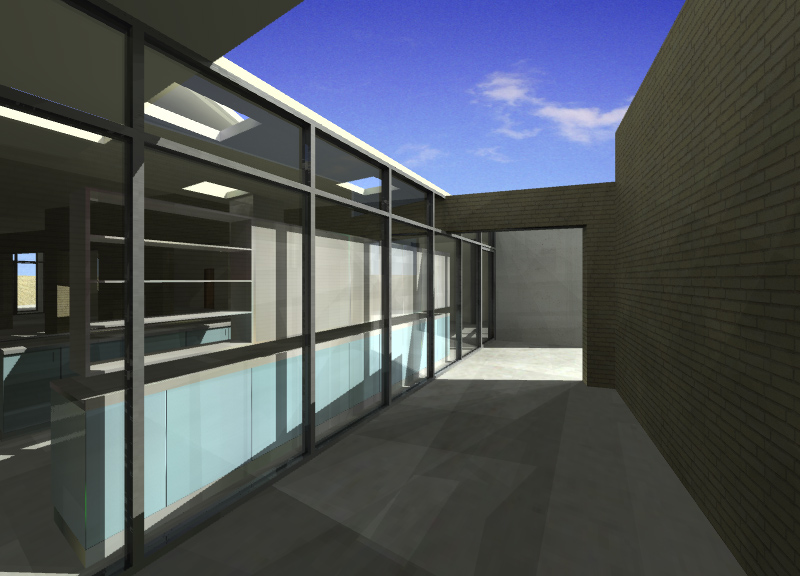
Here are some architectural renderings I did between 2004 and 2008:







Technical drawing
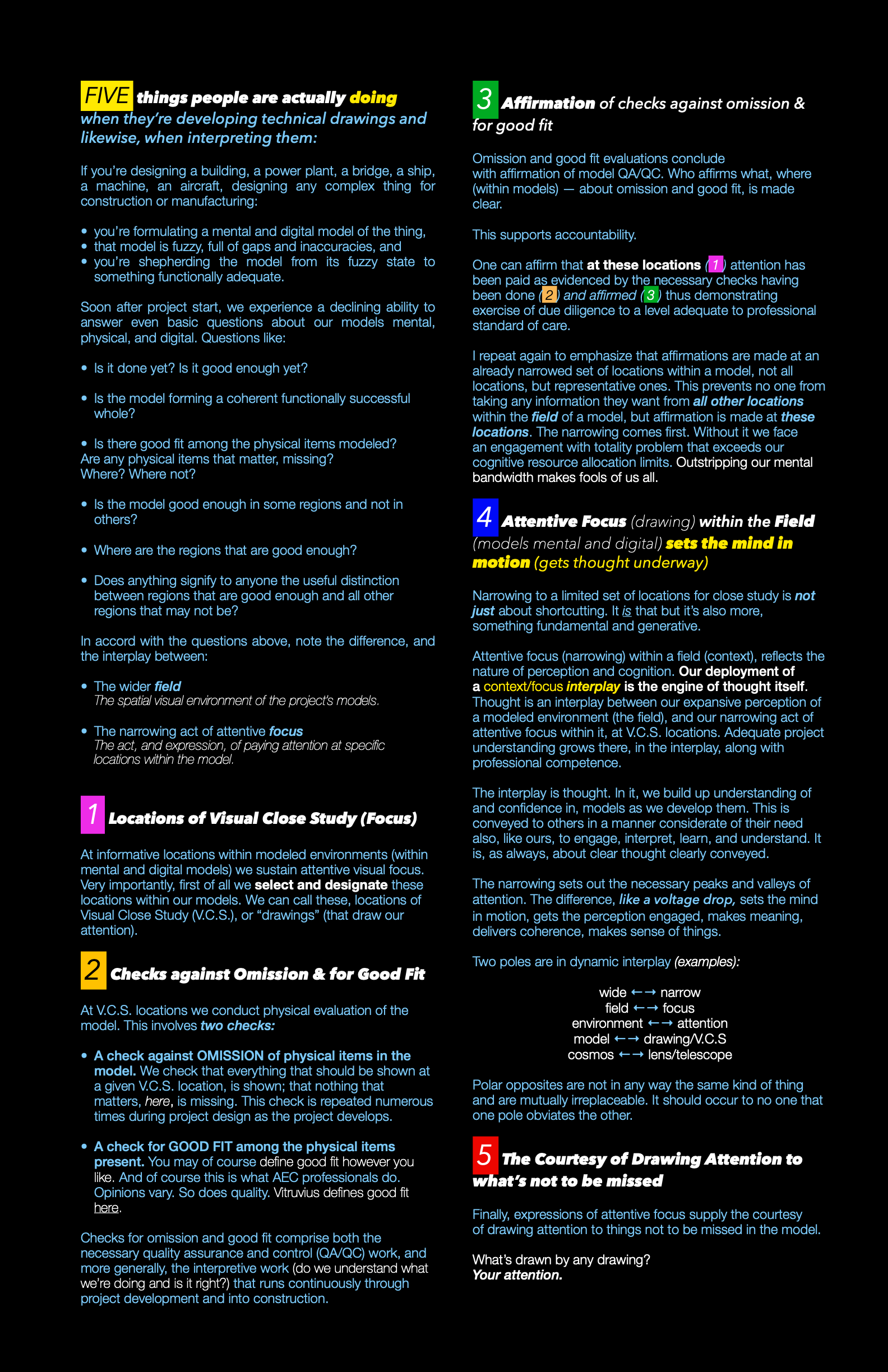
Showing what a thing is, as opposed to evoking what a place is like, specifically involves 5 things, those in the text on the black field below:
Drawing is the vehicle for looking with intent — at models mental, physical, and digital — and showing that you did. That means the following:
I did construction drawing for 12 years at architecture firms, incidentally, largely via automation starting in 1996, automating drawing graphics from models.
Then I went to work in software development.
I brought the work I’d done in two kinds of visualization, to software. This led to contributions:
- V2.0 (see below), automated drawing-model fusion, now in 9 software products.
- V3.0, what happens to drawing and modeling media (as media) after their fusion (proposed):
A progression is underway:
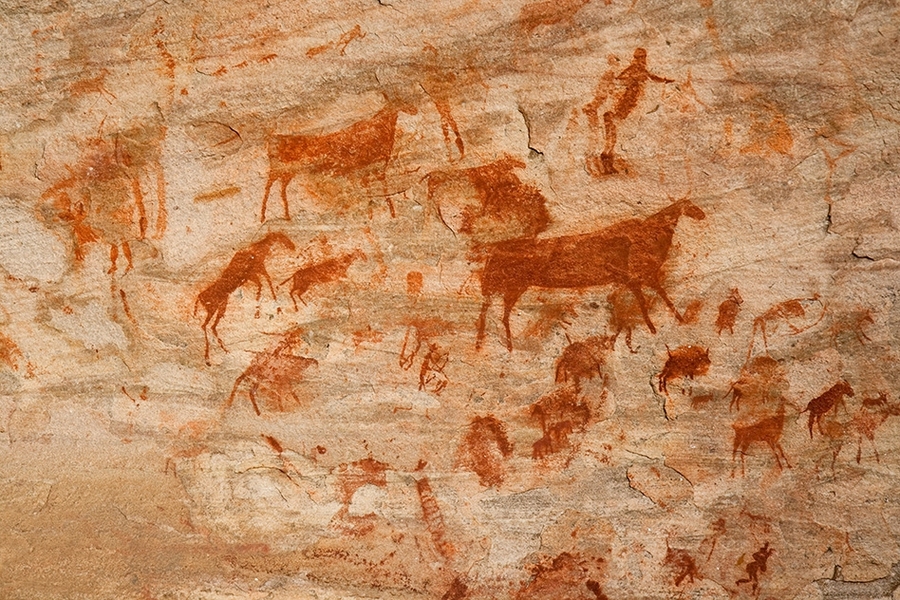
V1.0 Drawings in Mental Models
Drawing is a lens for looking. It’s the vehicle for looking with intent — at models mental, physical, and digital — and showing that you did.
From the first time anyone scratched out a drawing on a cave wall, they instantiated the graphic where it is in-situ within the mental model in formation in their mind. An interplay was underway.

V2.0 Drawing-Model Fusion (2012)
I invented the automatic fusion of drawings in digital models in 2012. See the story here: Drawing-Model Fusion 2012
Fusion, …like recorded sound in (formerly) silent film.
With the popularization of digital modeling by the 1990s, technical drawing continued in its usual role while instantiation into the model remained unaltered since the time of cave painting (V1.0), done by mental exercise alone, unassisted by the digital model.
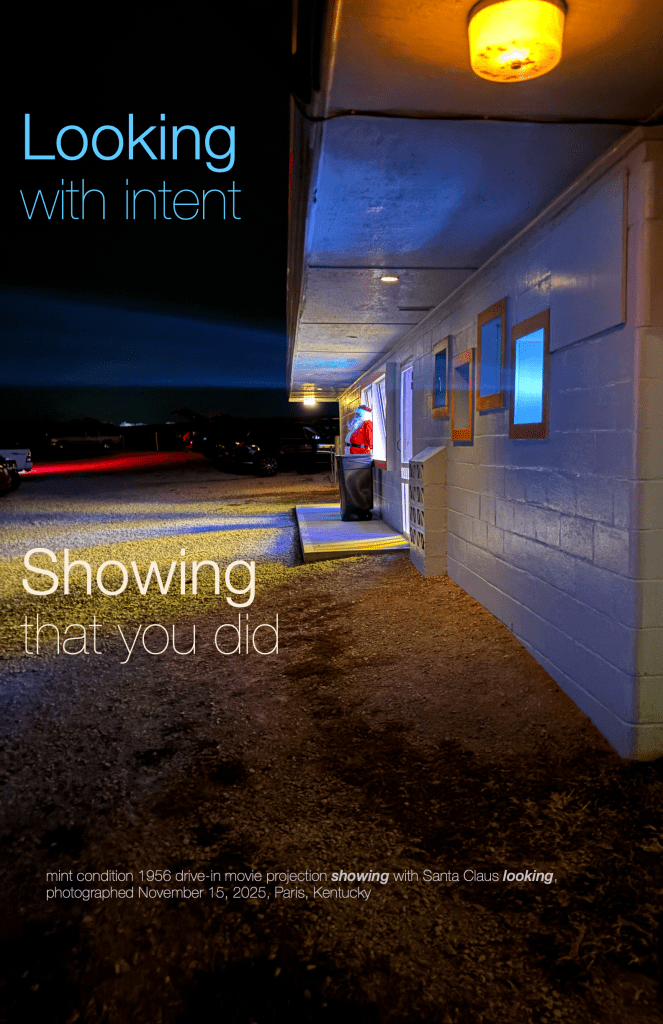
(OPEN VCS) V3.0
Using digital models to evolve the form
of expression, of the vehicle for looking with intent — at models mental, physical, and digital — and showing that you did.
Not only a fusion, but an evolution in form that surfaces the best of both media (model and drawing), in a new form of expression greater than the sum of its parts.