TANGERINE FOCUS
a lens for looking at models
A progression is underway:
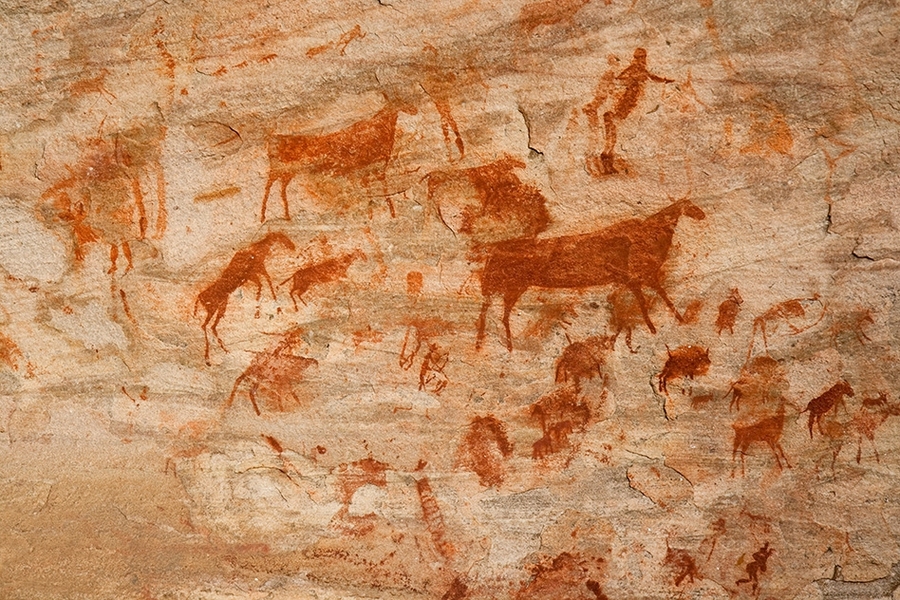
V1.0 Drawings in Mental Models
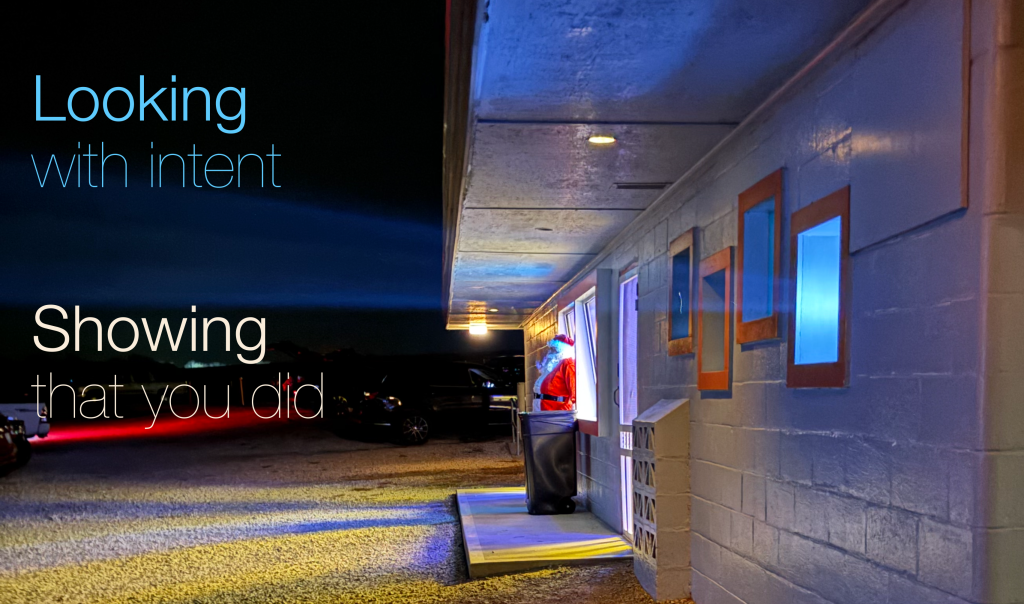
Drawing is a lens for looking. It’s the vehicle for looking with intent — at models mental, physical, and digital — and showing that you did.
From the first time anyone scratched out a drawing on a cave wall, they instantiated the graphic where it is in-situ within the mental model in formation in their mind. An interplay was underway.

V2.0 Drawing-Model Fusion (2012)
I invented the automatic fusion of drawings in digital models in 2012. See the story here: Drawing-Model Fusion 2012
Fusion, …like recorded sound in (formerly) silent film.
With the popularization of digital modeling by the 1990s, technical drawing continued in its usual role while instantiation into the model remained unaltered since the time of cave painting (V1.0), done by mental exercise alone, unassisted by the digital model.
(OPEN VCS) V3.0
Using digital models to evolve the form
of expression, of the vehicle for looking with intent — at models mental, physical, and digital — and showing that you did.
Not only a fusion, but an evolution in form that surfaces the best of both media (model and drawing), in a new form of expression greater than the sum of its parts.
The set of drawings is the expression of this loop, both the active experience of it, and a tangible record of it.
The idea of dispensing with that is self-defeating and counterproductive. Like abandoning telescopes for the cosmos. It’s also like refusing to believe that recorded sound ought to be infused (synchronized) into silent film. Many did refuse that including Jack Warner himself in 1926 even 28 years after the first machine demonstrating the fusion of sound into film in 1898:
In September 1926, Jack L. Warner, head of Warner Bros., was quoted to the effect that talking pictures would never be viable: “They fail to take into account the international language of the silent pictures, and the unconscious share of each onlooker in creating the play, the action, the plot, and the imagined dialogue for himself.”[146]
Inevitably though, AEC has not dispensed with the vehicle for looking at models, drawing. Instead they locked the vehicle for _looking with intent at models_ into a form of expression that predates digital modeling (and computing).
The vehicle for:
- looking with intent at digital models and showing that you did,
looks and feels exactly like the vehicle for:
- looking with intent at mental models and showing that you did.
The core work of AEC is developing models and _looking at them_ in ways that facilitate assurance of their fitness and adequacy
This was true 500 years ago, as it is true today.
It makes no difference whether models are:
- mental models only, or
- mental and physical, or
- both of those plus digital
Here is a reminder of:
- What it means “to look”
- What a drawing is
- What a model is
What is drawing?
Drawing is an instrument, is -the- instrument for the close study OF MODELS, for model evaluation:
- Drawing is a lens for looking, the vehicle for looking with intent — at models mental, physical, and digital — and showing that you did.
Why does this matter?
It matters because it points to:
- What is the core work of AEC?
The answer is found in the relation between drawing and modeling:
The core work of AEC is developing models and _looking at them_ in ways that facilitate assurance of their fitness and adequacy.
We look, for clear reasons, with specific intent.
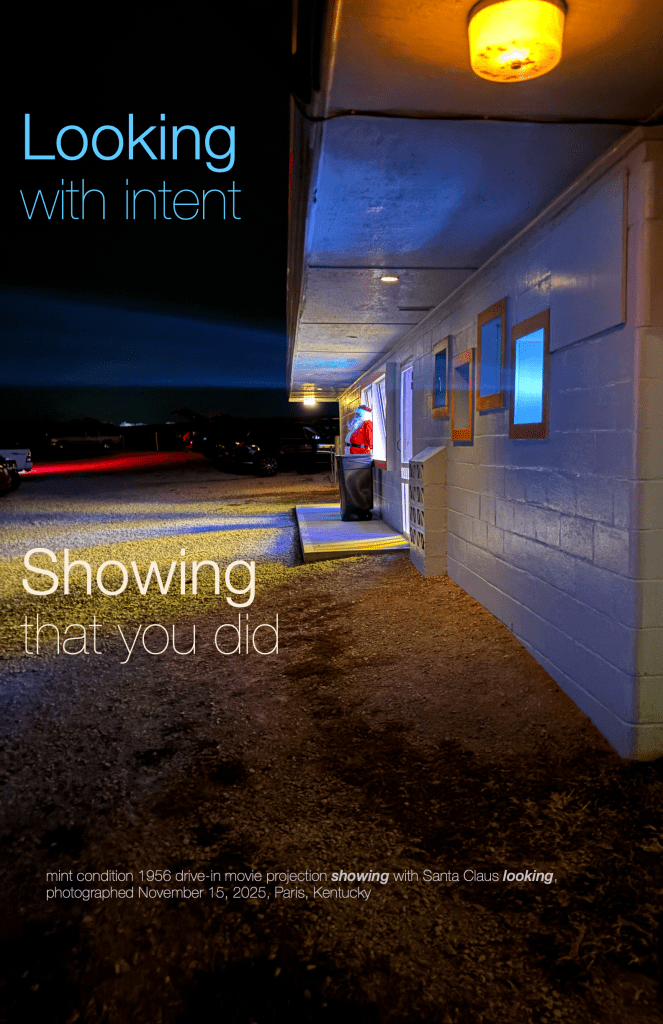
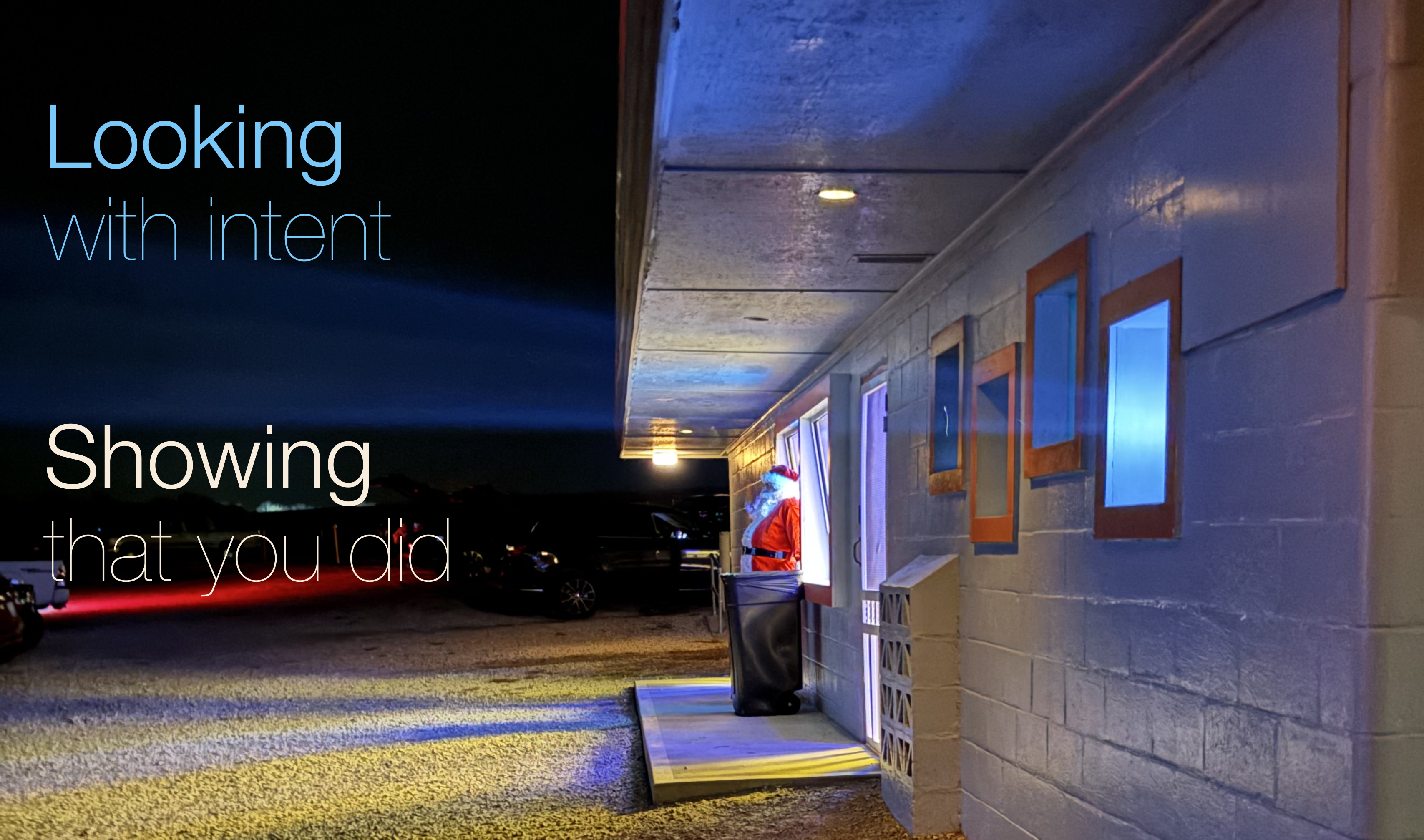
Read the cyan text on black background:
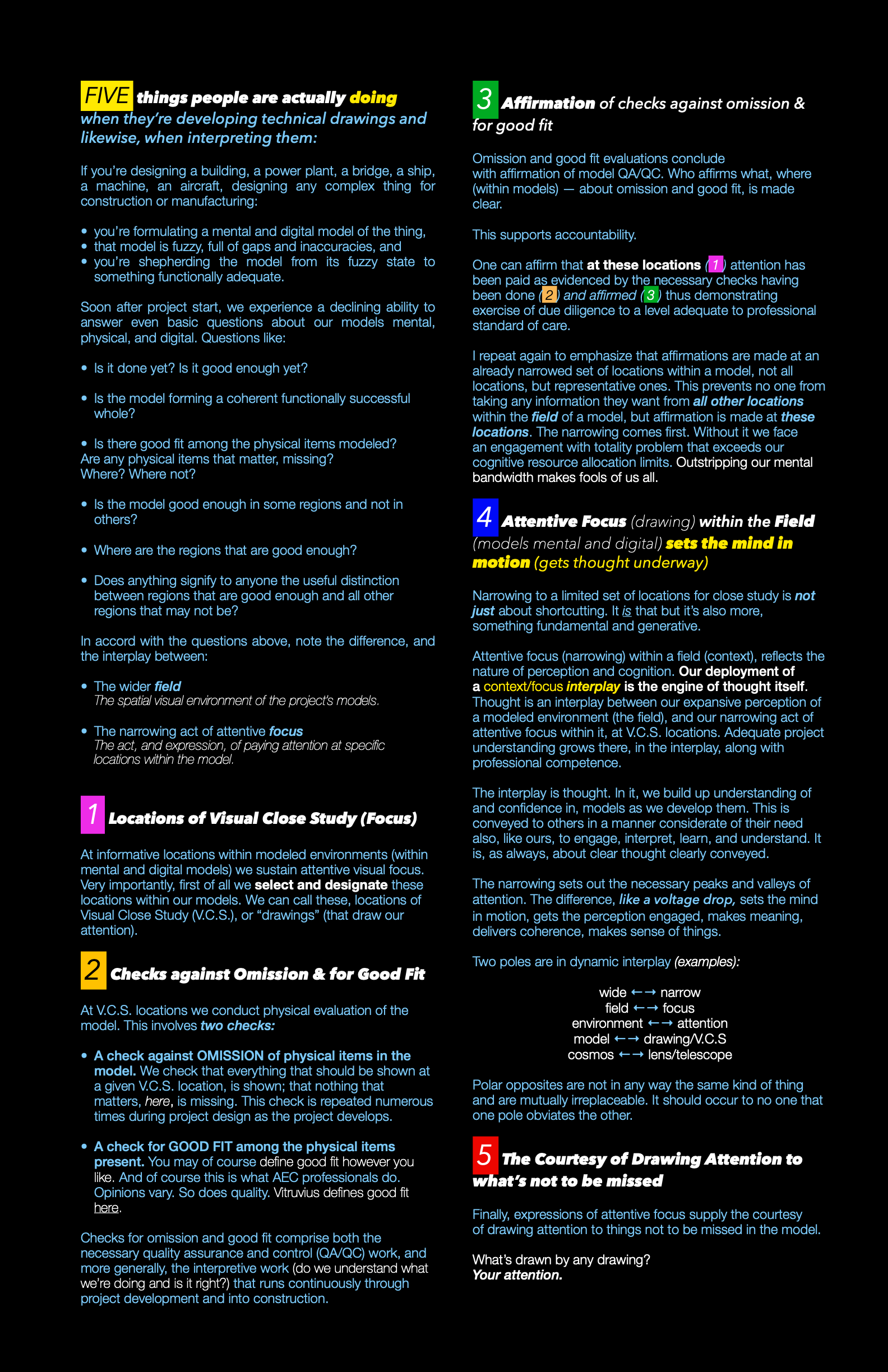
What does it mean to look?
- That, above, is looking with intent, and showing that you did.
- That is what people are looking at, and what they’re looking for, when they look at AEC models. It is their specific intent when looking.
- And it is why AE firms invest the majority of their resources doing so.
- Looking in these ways, for these things, is primary, fundamental, and non-optional.
- Other, machine-enabled evaluation methods (parameter checkers, clash detection, for example) are secondary, and ultimately, optional.
What is a model?
The model is the environment within which the act of looking with intent is expressed and realized.
The digital model must be (as the mental model is) the environment within which the act of looking with intent is expressed and realized.
This means, I repeat it because it is worth repeating:
The model must act as host for the core work of AEC and its professions: looking at and evaluating models as they develop.
Model utilization must rise in quality
- Underutilization of models must be solved by software that increases model utility.
- Software must re-orient itself to support use of models for what they’re best suited:
- being the environment within which architects, engineers, and builders visualize.
- Specifically, the model must be the place where AEC professionals activate and express that particular kind of looking that not only just happens to be the AEC industry’s most heavily invested form of VISUALIZATION (though it is usually not thought of as such): the set of drawings embodying the act of looking with specific intent at models.
- The F O R M of our equipment for looking W I L L
E V O L V E when that happens.
The F O R M
of our equipment for looking
W I L L
E V O L V E

V1.0 Drawings in Mental Models
Drawing is a lens for looking. It’s the vehicle for looking with intent — at models mental, physical, and digital — and showing that you did.
From the first time anyone scratched out a drawing on a cave wall, they instantiated the graphic where it is in-situ within the mental model in formation in their mind. An interplay was underway.

V2.0 Drawing-Model Fusion (2012)
I invented the automatic fusion of drawings in digital models in 2012. See the story here: Drawing-Model Fusion 2012
Fusion, …like recorded sound in (formerly) silent film.
With the popularization of digital modeling by the 1990s, technical drawing continued in its usual role while instantiation into the model remained unaltered since the time of cave painting (V1.0), done by mental exercise alone, unassisted by the digital model.

(OPEN VCS) V3.0
Using digital models to evolve the form
of expression, of the vehicle for looking with intent — at models mental, physical, and digital — and showing that you did.
Not only a fusion, but an evolution in form that surfaces the best of both media (model and drawing), in a new form of expression greater than the sum of its parts.
From our blog
Our latest, running commentary
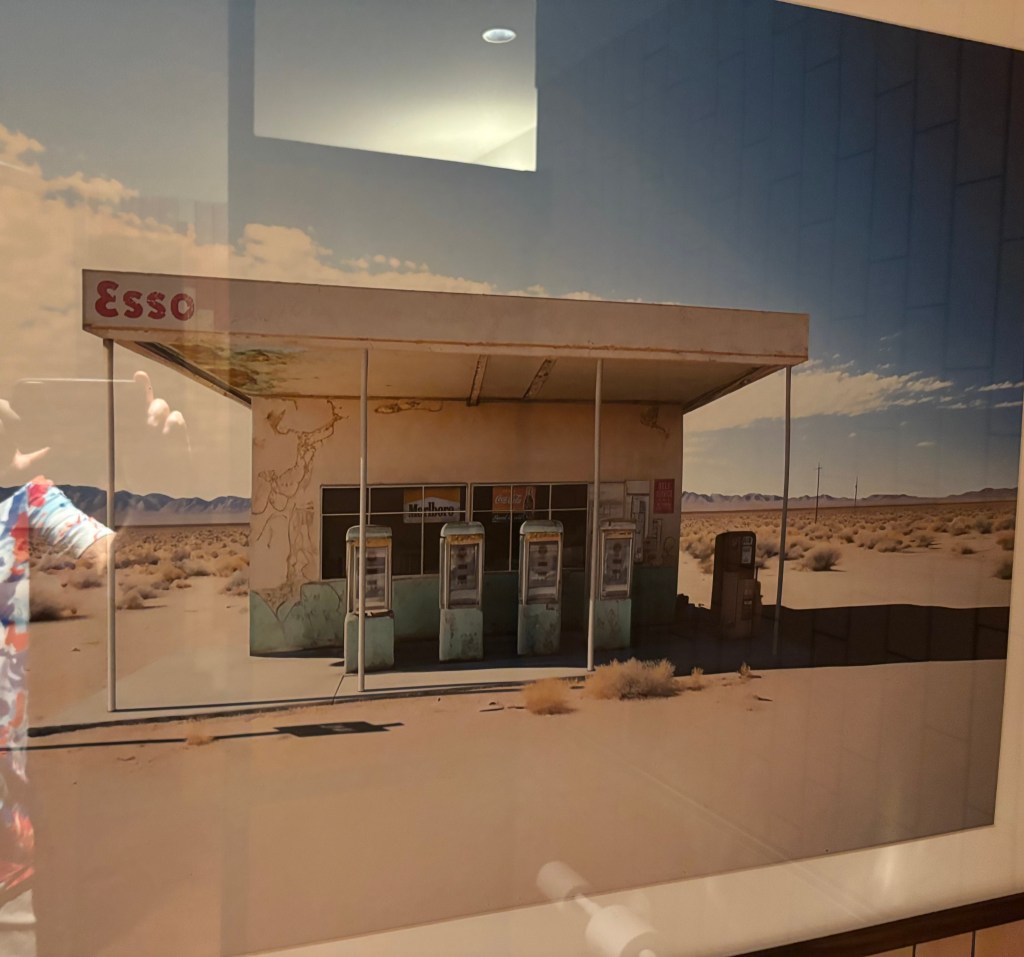
Looking with intent
and showing that you did
 TANGERINE FOCUS